
The UAE’s hot climate, intense sunlight, and high temperatures create unique challenges for nurseries, gardens, farms, and landscaping projects. Protecting plants from excessive heat and harmful UV rays is essential for healthy growth and long-term sustainability. One of the most effective solutions is shade netting in the UAE, which helps regulate temperature, reduce water loss, and create an ideal growing environment.
Whether you’re managing a commercial nursery, maintaining a public landscape, or developing a residential garden, shade netting offers a practical and cost-effective way to improve plant health while enhancing the efficiency of your outdoor spaces.
What Is Shade Netting in The UAE?
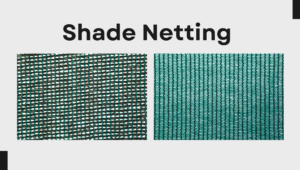
Shade netting is a specially manufactured fabric made from high-density polyethylene (HDPE) or similar durable materials. It is designed to reduce the amount of direct sunlight reaching plants while allowing sufficient airflow and moisture penetration.
Available in different shade percentages, colors, and strengths, shade netting can be customized to suit various agricultural, horticultural, and landscaping applications.
Its durability makes it suitable for the UAE’s harsh weather conditions, including intense sunlight, strong winds, and high temperatures.
Why Shade Netting Is Important in the UAE
The UAE experiences long summers with extremely high temperatures that can place significant stress on plants. Without proper protection, excessive sunlight may lead to:
- Leaf scorching
- Water loss
- Heat stress
- Reduced plant growth
- Soil moisture evaporation
- Lower crop yields
Shade netting helps create a more controlled environment by filtering sunlight and lowering temperatures beneath the covered area.
This protection supports healthier plants and reduces maintenance requirements.
Benefits of Shade Netting in The UAE
Reduces Heat Stress
One of the primary advantages of shade netting is its ability to lower temperatures around plants.
By reducing direct solar radiation, plants experience less heat stress and maintain healthier growth throughout the year.
Conserves Water
Shade netting decreases evaporation from both soil and plant surfaces. This helps retain moisture for longer periods, reducing irrigation requirements and supporting water conservation—an important benefit in arid regions like the UAE.
Protects Against UV Rays
Excessive ultraviolet radiation can damage leaves, flowers, and young plants. Quality shade netting filters harmful UV rays while allowing enough sunlight for photosynthesis.
Improves Plant Growth
Maintaining balanced light and temperature conditions encourages stronger root systems, healthier foliage, and improved flowering or crop production.
Plants grow more consistently in protected environments.
Applications in Plant Nurseries
Commercial nurseries rely heavily on shade netting to provide stable growing conditions for young plants.
Common nursery applications include:
- Seedling production
- Flower cultivation
- Ornamental plants
- Tree saplings
- Vegetable seedlings
- Indoor plant propagation
The controlled environment helps improve plant quality while reducing losses caused by heat damage.
Landscaping Projects
Professional landscapers use shade netting throughout various stages of landscape development.
Applications include:
- Protecting newly planted trees
- Supporting turf establishment
- Temporary shading during installation
- Creating shaded garden areas
- Protecting decorative plants
- Public park maintenance
These uses help ensure successful plant establishment, particularly during the UAE’s hotter months.
Choosing the Right Shade Percentage
Shade netting is available in different shading levels to suit specific plant requirements. Typical options include:
30% Shade
Suitable for plants requiring high sunlight exposure.
50% Shade
A versatile option commonly used for many ornamental plants and landscaping projects.
70% Shade
Ideal for shade-loving plants and delicate nursery stock.
90% Shade
Often used for specialized applications requiring maximum sun protection.
Selecting the correct shade percentage depends on plant species, location, and intended use.
Material and Durability
High-quality shade netting is usually manufactured from UV-stabilized HDPE material.
Benefits include:
- UV resistance
- Long service life
- Lightweight construction
- Easy installation
- Tear resistance
- Weather durability
Properly installed shade netting in the UAE can provide years of reliable performance with minimal maintenance.
Installation Tips
For the best results, shade netting should be installed correctly.
Consider the following:
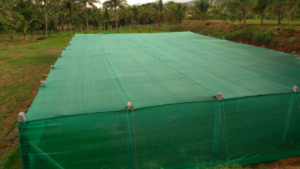
- Use sturdy support structures.
- Ensure proper tension.
- Allow adequate airflow.
- Secure edges firmly.
- Avoid excessive sagging.
- Inspect regularly for damage.
Professional installation is recommended for large commercial projects.
Maintenance Requirements
Shade netting requires relatively little maintenance.
Routine care includes:
- Removing accumulated debris
- Inspecting support systems
- Repairing tears promptly
- Cleaning dust buildup when necessary
- Checking fasteners periodically
Regular maintenance helps maximize durability and maintain optimal performance.
Environmental Benefits
Shade netting contributes to sustainable landscaping and agriculture by:
- Reducing water consumption
- Supporting healthier plant growth
- Minimizing heat stress
- Improving crop productivity
- Extending plant lifespan
- Reducing replacement costs
These benefits make shade netting an environmentally responsible investment for both commercial and residential projects.
Choosing the Right Supplier
When purchasing shade netting, consider factors such as:
- Material quality
- UV stabilization
- Shade percentage options
- Product durability
- Warranty
- Installation support
- Custom sizing
- Supplier reputation
Working with an experienced supplier ensures you receive products suited to the UAE’s climate and your project’s specific requirements.
Conclusion Shade Netting in The UAE
Shade netting in The UAE plays a vital role in protecting plants, improving growing conditions, and supporting successful landscaping and nursery operations across the UAE. By reducing heat stress, conserving water, filtering harmful UV rays, and creating a more stable growing environment, it offers significant advantages for both commercial and residential applications.
Whether you’re managing a plant nursery, developing a landscaped property, or establishing a garden, investing in high-quality shade netting is a practical solution that enhances plant health, improves efficiency, and contributes to long-term sustainability in the UAE’s demanding climate.
FAQs
1. What is shade netting used for?
Shade netting is used to protect plants from excessive sunlight, reduce heat stress, conserve soil moisture, and create favorable growing conditions for nurseries, gardens, farms, and landscaping projects.
2. Which shade percentage is best for nurseries?
The ideal shade percentage depends on the type of plants. Many nurseries use 50% to 70% shade netting for seedlings and ornamental plants, while sun-loving plants may require lower shading levels.
3. Is shade netting suitable for the UAE climate?
Yes. UV-stabilized HDPE shade netting is specifically designed to withstand the UAE’s intense sunlight, high temperatures, and outdoor weather conditions.
4. How long does shade netting last?
High-quality shade netting can last several years with proper installation and regular maintenance, depending on material quality and environmental exposure.
5. Can shade netting reduce water usage?
Yes. By lowering temperatures and reducing evaporation, shade netting helps retain soil moisture, reducing irrigation needs and supporting water conservation.