
Dubai’s climate is one of the toughest environments for outdoor materials. Temperatures frequently exceed 45°C, UV radiation is intense year-round, and seasonal winds can place significant stress on shade structures. For villas, commercial properties, construction sites, parking areas, nurseries, and agricultural projects, choosing the right Monofilament vs Knitted Shade Cloth is just as important as selecting the supporting structure.
Two of the most common options available in the UAE are Monofilament vs Knitted Shade Cloth. Although they may look similar at first glance, their construction, durability, airflow, and long-term performance are quite different.
This guide explains the differences in detail and helps you determine which option best suits your Dubai property.
Shade Cloth Construction
What Is Monofilament Shade Cloth?
Monofilament shade cloth is made from single, continuous polyethylene filaments woven tightly together. The result is a stronger and more dimensionally stable fabric with a relatively firm texture.
Key characteristics:
- High tensile strength
- Excellent resistance to stretching
- Superior UV stability (when UV-treated)
- More rigid structure
- Typically available in 50%–95% shade factors
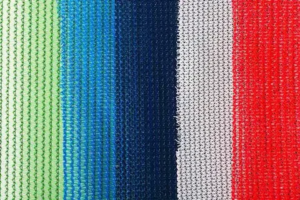
What Is Knitted Shade Cloth?
Knitted shade cloth is produced by interlocking polyethylene tapes or yarns in a knitted pattern rather than a woven one. The fabric is more flexible and can deform slightly under load without tearing.
Key characteristics:
- Lightweight and flexible
- Resistant to unraveling if punctured
- Better airflow
- Easier to install and handle
- Commonly available in 30%–90% shade factors
Why the Choice Matters in Dubai
In milder climates, either type may perform adequately. In Dubai, however, the combination of extreme heat, intense UV exposure, dust, and wind amplifies the differences between the two materials.
The right choice affects:
- Temperature reduction under the shade
- Wind resistance
- Longevity
- Maintenance requirements
- Installation cost
- Appearance of the finished structure
Head-to-Head Comparison
Feature |
Monofilament Shade Cloth |
Knitted Shade Cloth |
| Construction | Woven single filaments | Interlocking knitted yarns |
| Strength | Very high | Moderate to high |
| Stretching | Minimal | Moderate |
| Airflow | Moderate | Excellent |
| Wind performance | Good when tightly tensioned | Excellent due to flexibility |
| UV resistance | Excellent | Very good |
| Weight | Heavier | Lighter |
| Ease of installation | Moderate | Easy |
| Typical lifespan in Dubai | 7–12+ years | 4–8 years |
| Cost | Higher | Lower |
Heat Reduction: Which Keeps Areas Cooler?
Many property owners assume that the fabric with the highest shade percentage will always provide the coolest environment. In reality, airflow is equally important.
Monofilament
Because monofilament cloth is woven more tightly, it blocks a higher percentage of direct sunlight. This can produce better radiant heat reduction, especially in parking areas and hardscaped spaces that absorb and re-radiate heat.
Knitted
Knitted cloth allows more air to pass through. In open outdoor areas, this improved ventilation often creates a more comfortable perceived temperature, even if slightly more sunlight penetrates the fabric.
For Dubai:
- Parking areas and rooftops: Monofilament usually performs better.
- Patios, pergolas, and outdoor seating areas: Knitted cloth often feels cooler because of superior airflow.
Wind Resistance in Dubai
Strong shamal winds and gusty conditions can place heavy loads on shade structures.
Monofilament
The tighter weave creates more wind resistance. If not properly tensioned and supported, wind loads can be transferred directly to the frame and anchor points.
Knitted
The knitted structure flexes and allows some air to pass through, reducing wind pressure. It is generally more forgiving in windy conditions and less likely to suffer catastrophic tearing.
Winner for windy locations: Knitted shade cloth
Durability and Lifespan
Monofilament
High-quality UV-stabilized monofilament cloth is designed for long-term outdoor exposure. It resists stretching, sagging, and UV degradation better than most knitted products.
Expected lifespan in Dubai: 7–12 years or more with proper installation.
Knitted
Knitted cloth is durable, but the yarns gradually lose strength under constant UV exposure and heat cycling.
Expected lifespan in Dubai: 4–8 years depending on quality and exposure.
Winner for long-term durability: Monofilament shade cloth
Installation Considerations
Monofilament
- Requires accurate tensioning
- Heavier rolls may need additional labor
- Stronger edge reinforcement is recommended
- Better suited to permanent structures
Knitted
- Lightweight and easy to handle
- Can be cut without significant fraying
- Simpler to attach with clips, ropes, or cable systems
- Ideal for temporary or seasonal installations
Winner for easy installation: Knitted shade cloth
The Dubai Property Decision Matrix
Choose Monofilament Shade Cloth if:
- The installation is permanent
- Maximum heat reduction is required
- The area is a car park, rooftop, or industrial site
- Long lifespan and minimal maintenance are priorities
- A taut, professional appearance is desired
Choose Knitted Shade Cloth if:
- The installation is temporary or semi-permanent
- Airflow and comfort are more important than maximum sun blockage
- The structure is lightweight
- The site experiences significant wind exposure
- Budget and ease of installation are key considerations
Final Verdict Monofilament vs Knitted Shade Cloth
For most permanent commercial installations in Dubai, monofilament shade cloth is the superior choice. Its higher tensile strength, better UV resistance, reduced stretching, and longer lifespan make it ideal for parking structures, rooftops, warehouses, and other high-exposure environments.
For residential patios, pergolas, cafés, nurseries, and temporary structures, knitted shade cloth is often the better fit. Its lighter weight, excellent airflow, wind flexibility, and lower upfront cost provide a comfortable and practical solution for spaces where ventilation and ease of installation matter most.
In short:
- Monofilament = durability, heat blocking, and long-term value
- Knitted = airflow, flexibility, and cost-effective comfort
Before purchasing, confirm that the product is UV-stabilized for Gulf climates, select the appropriate shade percentage, and ensure the supporting structure is engineered for Dubai’s wind and heat conditions. The right combination of fabric type, shade factor, and installation quality will deliver years of reliable outdoor comfort and protection.
FAQs Monofilament vs Knitted Shade Cloth
1. Which shade cloth lasts longer in Dubai’s sun?
Monofilament shade cloth typically lasts 7–12+ years, while knitted shade cloth usually lasts 4–8 years, assuming both are high-quality UV-stabilized products.
2. Is knitted shade cloth cooler than monofilament?
In open areas such as patios and cafés, knitted shade cloth often feels cooler because it allows more airflow. Monofilament blocks more radiant heat but can restrict ventilation slightly.
3. What shade percentage is best for a car parking area?
For Dubai parking areas, 90–95% shade is generally recommended to maximize protection from direct sunlight and reduce vehicle interior temperatures.
4. Can knitted shade cloth be used for permanent structures?
Yes, but it is better suited to semi-permanent or lighter-duty installations. For a structure expected to remain in place for many years with minimal maintenance, monofilament is usually the better choice.
5. Does monofilament shade cloth require a stronger frame?
Generally, yes. Because monofilament fabric is heavier and presents slightly higher wind loads when tightly tensioned, the supporting frame and anchor points should be designed accordingly.