
Most people in the UAE don’t think about waterproofing until there’s a problem: a damp patch on the ceiling, peeling paint in the bathroom, or water pouring through the roof during a storm. By then, the damage has often spread into the concrete, the electrics and the furniture.
Sharjah’s climate is tough on buildings. Intense summer heat, high humidity along the coast and occasional heavy downpours all test a building’s defence. The record rainfall that hit the UAE in April 2024 showed just how many homes and businesses weren’t ready for serious water.
Working with a professional waterproofing company in Sharjah is the best way to protect your property before leaks start, or to fix them properly once they do. This guide explains the main waterproofing solutions, the warning signs to look out for, and how to choose the right contractor.
Why Waterproofing Matters in Sharjah
Water damage is rarely just cosmetic. Left untreated, leaks can cause:
- Structural damage
Water seeping into concrete corrodes the steel reinforcement inside, causing cracking and spalling that weakens the structure.
- Mould and health problems
Damp walls and ceilings encourage mould growth, which can trigger allergies and breathing problems.
- Electrical hazards
Water reaching wiring, sockets or light fittings creates a serious safety risk.
- Higher energy bills
Wet insulation loses its effectiveness, making air conditioning work harder.
- Costly repairs
Fixing a small leak early is far cheaper than repairing damaged ceilings, floors, furniture and finishes later.
- Lower property value
Visible damp and leak damage put off buyers and tenants.
Heat makes the problem worse. Extreme temperature swings cause roofs and concrete to expand and contract, which opens cracks and breaks down poor-quality waterproofing over time.
Signs You Need Waterproofing Services in Sharjah
Call a specialist if you notice:
- Damp patches, stains or bubbling paint on ceilings or walls
- Water dripping or pooling after rain or AC use
- A musty smell, or visible mould in corners and bathrooms
- Cracks in the roof surface, terrace or external walls
- Loose or hollow-sounding tiles in bathrooms or on balconies
- Efflorescence, the white powdery deposit on concrete or plaster
- Rising damp at the base of walls
- Leaks below bathrooms, kitchens or water tanks
Waterproofing Solutions a Professional Company Provides
Roof waterproofing
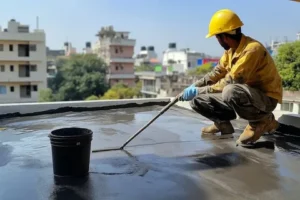
The roof takes the full force of the sun and the rain, so it’s the most common area for leaks. Roof waterproofing in Sharjah typically uses:
- Bituminous membranes, torch-applied sheets that form a tough, continuous layer
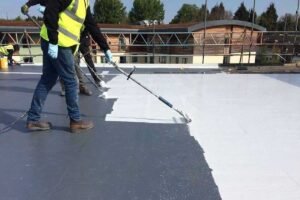
- Liquid-applied membranes, such as polyurethane or acrylic coatings that create a seamless, flexible finish
- Cementitious coatings for concrete surfaces under protective screeds
- Heat-reflective coatings that also reduce roof temperature and cooling costs
Good roof waterproofing also includes proper slopes and drainage so water doesn’t pond on the surface.
Bathroom and kitchen waterproofing
Leaking showers and bathroom floors are a frequent cause of damage to the ceiling of the floor below. Professionals apply a waterproof membrane beneath tiles, with special attention to corners, floor drains, pipe penetrations and shower areas. This is especially important in apartment buildings, where one leak can affect several units.
Basement and foundation waterproofing
Below-ground structures face constant pressure from groundwater and soil moisture. Solutions include:
- External membranes applied to foundation walls during construction
- Crystalline waterproofing that reacts with concrete to block water from within
- Injection treatments to seal cracks in existing structures
- Drainage systems to direct water away from the building
Water tank waterproofing
Underground and rooftop water tanks need waterproofing that’s both effective and safe for drinking water. A professional company uses certified non-toxic, potable-water-safe coatings and cleans and repairs the tank before applying them.
Swimming pool waterproofing
Pools lose water and damage surrounding structures if their waterproofing fails. Specialists use flexible cementitious or epoxy systems that resist chemicals and constant water pressure.
Terraces, balconies and wet areas
Balconies and terraces are exposed to rain, AC condensation and cleaning water. A membrane under the tiles, combined with correct falls to drains, prevents leaks into rooms below.
Expansion joints and crack sealing
Buildings move, especially in the heat. Expansion joints and cracks need flexible sealants and joint systems that can stretch and compress without breaking.
Comparing Common Waterproofing Systems
| System | Advantages | Typical use |
| Bituminous membrane | Durable, proven, good for large areas | Roofs, foundations |
| Polyurethane liquid membrane | Seamless, flexible, UV-resistant options | Roofs, terraces, balconies |
| Cementitious coating | Easy to apply, good adhesion to concrete | Bathrooms, tanks, basements |
| Crystalline waterproofing | Becomes part of the concrete, self-sealing | Basements, tanks, foundations |
| Epoxy coating | Hard-wearing, chemical-resistant | Pools, tanks, industrial floors |
| Injection grouting | Seals active leaks and cracks | Existing structures, basements |
The right choice depends on the surface, exposure, budget and whether the building is new or existing. A reliable waterproofing company in Sharjah should explain why it recommends one system over another.
The Waterproofing Process
A professional job usually follows these steps:
- Inspection and leak detection
The team inspects the property and may use moisture meters or thermal imaging to find the true source of the leak, which isn’t always directly above the stain.
- Diagnosis and proposal
You receive a clear explanation of the problem, the recommended system and a written quote.
- Surface preparation
Old coatings, loose material and debris are removed. Cracks are repaired and surfaces are cleaned and dried.
- Priming
A primer is applied so the waterproofing bonds properly.
- Application
The membrane or coating is applied in the right number of layers and thickness, with extra reinforcement at corners, joints and drains.
- Protection layer
On roofs and floors, a screed, tiles or protective coating may be added over the membrane.
- Water testing
A flood test or water test confirms there are no leaks before finishing.
- Handover and warranty
You receive a warranty and maintenance advice.
Surface preparation is the step most often rushed by cheap contractors, and it’s the main reason waterproofing fails early.
How to Choose a Waterproofing Company in Sharjah
Not all contractors deliver the same quality. Before hiring, check:
- Licensing
The company should hold a valid trade licence for waterproofing or building maintenance work.
- Experience
Ask how long they’ve worked in the UAE and request photos or references from similar projects.
- Quality materials
Reputable contractors use products from established manufacturers and can tell you exactly which system they’ll use.
- Leak detection capability
Fixing the wrong area wastes money. Choose a company that finds the source first.
- Written warranty
Ask what’s covered and for how long, both for materials and workmanship.
- Clear quotation
The quote should list the area, system, layers and preparation work, not just a total price.
- Insurance
The team should be insured, especially for roof and height work.
Be wary of very low quotes. Thin coatings, skipped primers and poor preparation can mean leaks return within a year.
When Is the Best Time to Waterproof?
The ideal time is during construction or a major renovation, when surfaces are exposed. For existing buildings, schedule roof inspections before the cooler, wetter months, so any problems are fixed before rain arrives. Very hot midday temperatures in summer can affect how some materials cure, so experienced waterproofing contractors in the UAE plan work for suitable times of day.
Maintenance Tips to Prevent Leaks
- Inspect the roof at least once a year and after heavy rain
- Keep roof drains, gutters and balcony drains clear of dust, sand and debris
- Reseal cracks and joints as soon as they appear
- Check bathroom grout and silicone regularly and replace when worn
- Watch for damp patches on ceilings and walls and act early
- Avoid drilling through waterproofed surfaces without professional advice
Conclusion
Water damage spreads quietly and gets more expensive the longer it’s ignored. Whether you own a villa, manage an apartment building or run a commercial property, the right waterproofing company in Sharjah can protect your structure, your interiors and your health.
If you’ve spotted damp, stains or leaks, or simply want peace of mind before the next storm, book a professional inspection and get a long-lasting solution designed for the UAE climate.
Frequently Asked Questions
How long does waterproofing last?
It depends on the system and the quality of installation. Well-applied roof membranes commonly last 10 years or more, and some systems last considerably longer with regular maintenance.
Can waterproofing be done without removing tiles?
In some cases, yes. Transparent coatings and injection treatments can seal certain leaks without removing tiles. For major bathroom or terrace leaks, removing tiles to apply a proper membrane is usually the more reliable fix.
How much does roof waterproofing cost in Sharjah?
Cost depends on roof size, condition, the chosen system and the preparation needed. Most companies price per square metre after a site inspection. Ask for an itemised quote to compare fairly.
How do I know where a leak is coming from?
Water can travel a long way inside a building before it appears, so the stain isn’t always below the source. A professional leak detection inspection, sometimes using thermal imaging, identifies the true source.
Is waterproofing needed for new buildings?
Yes. It’s much easier and cheaper to waterproof during construction than to fix leaks later. Roofs, wet areas, basements and tanks should all be waterproofed before finishes go on.
Does waterproofing help reduce heat?
Some roof systems, such as reflective coatings, also reduce surface temperature. This can help lower indoor temperatures and cooling costs.