
Most property owners in Dubai never think about waterproofing until a stain appears on a ceiling, a basement floods after a rare storm, or a rooftop terrace starts leaking into the apartment below. By then, the damage is usually already spreading behind walls and under flooring, where it’s expensive to fix. That’s why finding a reliable waterproofing company in Dubai matters long before there’s visible damage — prevention is dramatically cheaper than repair, and in this climate, it’s not a question of if a building faces water stress, but when.
Between flat rooftops, underground parking, swimming pools, bathrooms, and intense seasonal rainfall, Dubai properties face more pressure points than most owners realize. Add high humidity and salt-laden coastal air, and structures that look fine on the surface can be quietly deteriorating underneath.
Why Waterproofing Is Non-Negotiable in Dubai’s Climate
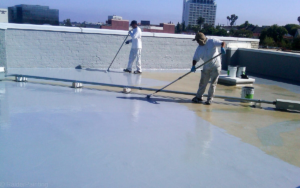
It’s tempting to assume a city known for its dry heat doesn’t need serious Waterproofing Company in Dubai. In practice, the opposite is true. Dubai’s flat-roof architecture is particularly vulnerable to water pooling during the region’s short but heavy rain events, and without a proper membrane, that water finds its way through hairline cracks that expand under constant thermal stress.
The temperature swings matter too. Concrete and other materials expand in extreme heat and contract at night, and that constant movement opens up small cracks around joints, expansion gaps, and rooftop fixtures. Combine that with Gulf humidity and any weakness in a building’s waterproofing gets exploited faster than in a milder climate. A reliable waterproofing company in Dubai understands this cycle and designs around it, rather than applying a generic fix meant for a different climate entirely.
Common Waterproofing Problems in Dubai Homes and Businesses
Some issues show up more often than others across residential and commercial properties in the city:
- Rooftop leaks from degraded membranes, especially on older buildings where the original waterproofing has simply aged out.
- Bathroom and wet-area seepage, often traced to failed grouting or a membrane never properly installed beneath the tiling.
- Basement and parking structure dampness, common in buildings near groundwater or coastal zones.
- Swimming pool leaks, where cracked shells or failed water stop details slowly lose water into surrounding structures.
- Water tank and terrace seepage, often overlooked until staining appears on ceilings well below the source.
Each of these has a different root cause and fix, which is why a one-size-fits-all approach tends to fail within a year or two.
What Makes a Waterproofing Company Actually Reliable
“Reliable” gets used loosely in marketing, so it’s worth being specific about what it should actually mean. A few markers separate genuinely dependable contractors from those offering a quick, cosmetic patch:
- Proper diagnosis before treatment — identifying the actual source of a leak rather than sealing the visible symptom.
- Appropriate membrane systems — liquid-applied, bituminous, cementitious, or polyurethane, matched to the specific surface and exposure.
- Warranty-backed work, since a company confident in its materials will stand behind the result for years, not months.
- Experience across property types, from villas and apartments to commercial units, warehouses, and parking structures.
- Transparent inspection and quoting, with a clear explanation of what’s being treated, rather than a vague lump-sum estimate.
A company that skips diagnosis and jumps straight to selling a “waterproofing package” is usually treating a symptom rather than the actual failure point — and that almost always means the leak returns.
Types of Waterproofing Services Worth Knowing About
Waterproofing isn’t a single service; it’s a category of treatments matched to specific surfaces and exposure levels:
- Roof waterproofing protects flat and sloped roofs from pooling water, UV degradation, and thermal cracking.
- Bathroom and wet-area waterproofing seals a membrane beneath tiling to stop seepage into walls and floors below.
- Basement and foundation waterproofing addresses below-grade moisture and groundwater pressure.
- Swimming pool waterproofing seals pool shells against constant water exposure.
- Terrace and balcony waterproofing manages exposed surfaces facing direct sun, rain, and temperature swings.
- Water tank waterproofing protects storage tanks from leaks and contamination risk.
Knowing which category applies helps owners ask more informed questions when getting quotes, rather than accepting a generic answer.
How to Choose the Right Waterproofing Company in Dubai
A few practical steps make it easier to separate genuinely capable contractors from ones offering a quick, unreliable fix:
- Ask for a site inspection before any quote, since accurate pricing depends on seeing the problem, not guessing from a phone description.
- Request details on the materials and method being proposed, and why that approach fits the surface in question.
- Check for a written warranty period, ideally several years, covering both materials and workmanship.
- Look for experience with similar properties — a villa rooftop and a commercial parking structure need different expertise.
- Read recent client feedback, particularly from similar issues, to gauge how well past fixes have actually held up.
Why Property Owners Are Turning to Mr. Xperts
Property owners who’ve dealt with a recurring leak that keeps returning after a “quick fix” tend to look for contractors who diagnose properly the first time. Mr. Xperts has built its reputation in Dubai’s waterproofing market around exactly that approach — inspecting the actual source of water damage across rooftops, bathrooms, basements, and pools before recommending treatment, and backing that work with clear warranties for both residential and commercial clients across the city.
Whether the issue is a small bathroom leak or a full commercial rooftop membrane replacement, working with a team that treats diagnosis and long-term performance seriously tends to be the difference between a fix that lasts and one that needs repeating within a year.
Frequently Asked Questions Waterproofing Company in Dubai
1. How do I know if my property actually needs waterproofing?
Ceiling stains, peeling paint, damp patches on walls, a musty smell indoors, or pooling water on a rooftop after rain are all signs worth a professional inspection before the damage spreads further.
2. How long does a typical waterproofing job take?
A single bathroom or small terrace often takes one to three days, while a full rooftop or basement project may take a week or longer, especially if old, failed materials need removing first.
3. How long does waterproofing last once it’s done properly?
A correctly installed system can last 10 to 20 years, depending on the membrane type and exposure. Regular inspection extends that lifespan considerably.
4. Is waterproofing necessary for new buildings, or only older ones?
New construction needs it just as much, if not more — building it in correctly from the start avoids the costlier process of retrofitting a fix once water has already entered the structure.
5. Can waterproofing be done without major renovation work?
In most cases, yes. Modern methods can often be applied to existing surfaces with minimal disruption, especially for rooftops, bathrooms, and terraces, without a full renovation.
Final Thoughts Waterproofing Company in Dubai
A reliable waterproofing company in Dubai isn’t defined by how quickly it can patch a visible leak — it’s defined by whether the fix actually holds up against a climate that punishes weak building work relentlessly. Property owners who insist on a proper inspection, ask about materials and warranties, and choose contractors with real experience across different property types end up avoiding the frustrating cycle of repeat repairs. For anyone dealing with a current leak or planning ahead for a new build, reaching out to a team like Mr. Xperts for a proper site assessment is a sensible first step before water damage becomes a much bigger problem.