
The UAE’s climate presents unique challenges for homeowners, businesses, and property developers. Intense sunshine, high temperatures, dust storms, and occasional rainfall make outdoor protection an important consideration. Whether you’re covering a garden, patio, parking area, playground, rooftop, or commercial space, selecting the right waterproof vs standard shade cloth can significantly improve comfort and protect your investment.
One of the most common questions property owners ask is whether to choose waterproof shade cloth or standard shade cloth. While both options provide valuable sun protection, they serve different purposes and offer distinct advantages. Understanding their differences will help you select the ideal solution for your specific property and lifestyle.
Understanding Shade Cloth
Shade cloth is a specially manufactured fabric designed to reduce sunlight, lower temperatures, and create more comfortable outdoor environments. It comes in different materials, colors, and shade percentages to meet a wide range of residential, commercial, and industrial needs.
Modern shade cloth is commonly used for:
- Villa gardens
- Rooftop terraces
- Swimming pools
- Car parking areas
- Outdoor cafés
- Restaurants
- Schools and playgrounds
- Agricultural farms
- Nurseries
- Construction sites
Choosing the correct type depends on your intended use, weather exposure, and maintenance preferences.
What Is Standard Shade Cloth?
Standard shade cloth is a breathable woven or knitted fabric designed primarily to reduce sunlight while allowing air to circulate freely. It is one of the most popular outdoor shading solutions because it creates a cooler environment without trapping excessive heat underneath.
The fabric is available in different shade ratings, typically ranging from 30% to 95%, depending on the amount of sunlight reduction required.
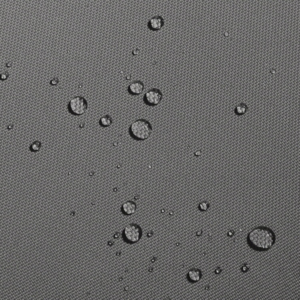
Advantages of Standard Shade Cloth
Excellent Air Circulation
One of the biggest advantages of standard shade cloth is its breathability. Air can move freely through the fabric, helping reduce heat buildup beneath the shaded area.
Lower Cost
Standard shade cloth is generally more affordable than waterproof alternatives, making it an economical solution for large installations.
Lightweight Construction
Its lightweight design makes installation easier while placing less stress on supporting structures.
Ideal for Hot Weather
Because hot air can escape through the woven material, standard shade cloth performs particularly well during the UAE’s long summer season.
Limitations of Standard Shade Cloth
Although highly effective against direct sunlight, standard shade cloth does not prevent rainwater from passing through.
During occasional rainfall, furniture, vehicles, or outdoor seating beneath the fabric may still become wet.
For applications requiring complete weather protection, other options may be more suitable.
What Is Waterproof Shade Cloth?
Waterproof shade cloth is manufactured using coated or tightly woven fabrics designed to block both sunlight and rain. Unlike standard shade cloth, it acts as both a shading solution and a protective canopy.
These materials are often used in locations where year-round weather protection is important.
Benefits of Waterproof Shade Cloth
Rain Protection
The primary advantage of waterproof shade cloth is its ability to prevent rainwater from reaching the area underneath.
This makes it ideal for:
- Outdoor dining areas
- Commercial entrances
- Rooftop seating
- Outdoor kitchens
- Swimming pool lounges
- Car parking spaces
Strong UV Protection
Many waterproof fabrics provide excellent resistance against harmful ultraviolet rays while reducing surface temperatures.
Better Furniture Protection
Outdoor furniture, equipment, and decorative items remain protected from both sunlight and occasional rain.
Enhanced Outdoor Usability
Waterproof shade systems allow outdoor spaces to remain functional during varying weather conditions throughout the year.
Potential Drawbacks of Waterproof Shade Cloth
While waterproof materials provide additional protection, they also have certain considerations.
Reduced Airflow
Because the fabric blocks water, it also reduces natural airflow compared to breathable shade cloth.
This may result in slightly warmer conditions underneath during extremely hot days if proper ventilation is not incorporated into the design.
Higher Installation Costs
Waterproof systems often require stronger supporting structures and proper drainage design to manage rainwater effectively.
This can increase installation costs compared to standard shade cloth.
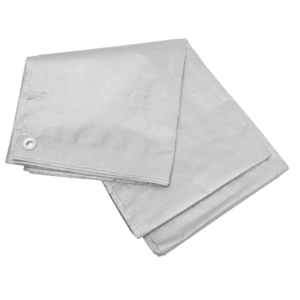
Comparing Waterproof and Standard Shade Cloth
Sun Protection
Both options provide excellent UV protection when manufactured using quality materials.
Rain Resistance
Standard shade cloth allows rainwater to pass through, while waterproof fabric blocks rainfall completely.
Ventilation
Standard shade cloth provides superior airflow, making it especially suitable for extremely hot climates.
Waterproof fabric offers less ventilation but greater weather protection.
Maintenance
Both materials require periodic cleaning to remove dust and debris.
Waterproof fabrics may require additional attention to drainage systems to prevent water accumulation.
Cost
Standard shade cloth is generally the more budget-friendly option, whereas waterproof systems involve higher material and installation costs.
Which Option Is Best for Residential Properties?
For villa gardens, rooftop terraces, balconies, and children’s play areas, standard shade cloth often provides sufficient protection while maintaining excellent airflow.
However, if you plan to create an outdoor dining area, barbecue space, or entertainment zone that should remain usable even during occasional rain, waterproof shade cloth may offer better long-term value.
Which Option Is Better for Commercial Properties?
Restaurants, cafés, hotels, schools, retail entrances, and commercial buildings often benefit from waterproof shade systems because they protect customers, outdoor furniture, and equipment regardless of weather conditions.
Businesses that prioritize customer comfort throughout the year frequently consider waterproof installations a worthwhile investment.
Factors to Consider Before Choosing Waterproof vs Standard Shade Cloth
Before making your decision, evaluate the following:
- Purpose of the shaded area
- Amount of direct sunlight
- Need for rain protection
- Budget
- Maintenance requirements
- Wind exposure
- Structural support
- Desired appearance
Consulting with an experienced shade solution provider can help identify the most suitable option for your property.
Maintenance Tips
To maximize the lifespan of either type of shade cloth:
- Clean the fabric regularly using mild soap and water.
- Remove accumulated dust after sandstorms.
- Inspect supporting frames periodically.
- Tighten loose fittings when necessary.
- Avoid placing excessive weight on the fabric.
Routine maintenance helps preserve both appearance and performance for many years.
Conclusion Waterproof vs Standard Shade Cloth
Both waterproof vs standard shade cloth provide valuable protection for UAE properties, but the right choice depends on how you intend to use your outdoor space. Standard shade cloth offers excellent airflow, affordability, and effective sun protection, making it ideal for gardens, parking areas, and recreational spaces. Waterproof vs standard shade cloth, on the other hand, provides complete protection from both sunlight and rain, making it an excellent option for outdoor dining areas, commercial spaces, and entertainment zones. By considering your property’s specific needs, budget, and long-term goals, you can confidently select the shade solution that delivers the best combination of comfort, durability, and value.
Frequently Asked Questions Waterproof vs Standard Shade Cloth
1. What is the main difference between waterproof vs standard shade cloth?
Standard shade cloth provides shade while allowing air and rainwater to pass through, whereas waterproof shade cloth blocks both sunlight and rainfall.
2. Which shade cloth is better for Dubai’s hot climate?
Standard shade cloth is often preferred for maximum airflow, while waterproof shade cloth is better when rain protection is also required.
3. Is waterproof shade cloth more expensive?
Yes. Waterproof materials and their supporting structures generally cost more due to additional manufacturing and installation requirements.
4. Can waterproof shade cloth be installed on residential rooftops?
Yes. It is commonly used on rooftops, patios, balconies, and outdoor seating areas where protection from both sun and rain is desired.
5. How long does shade cloth typically last?
High-quality shade cloth made with UV-resistant materials can last for many years when properly installed and maintained.