
Dubai’s extreme weather can take a toll on residential and commercial buildings. Intense sunlight, high temperatures, airborne sand, humidity, and occasional rainfall can gradually damage exterior walls, causing paint to fade, crack, peel, or lose its original appearance. Investing in professional exterior painting Dubai is an effective way to maintain your property’s appearance and protect its surfaces from the UAE’s demanding climate.
Whether you own a villa, apartment building, townhouse, office, or commercial property, choosing the right exterior paint is essential for achieving a durable finish. Quality exterior coatings help protect walls from weather exposure while improving curb appeal and supporting long-term property maintenance.
However, successful exterior painting Dubai involves more than choosing an attractive color. Proper surface preparation, suitable primers, weather-resistant coatings, and correct application techniques all play important roles in the final result.
In this guide, we explore how exterior painting helps protect your walls from UAE heat, which paint features matter most, and how to choose the right painting service in Dubai.
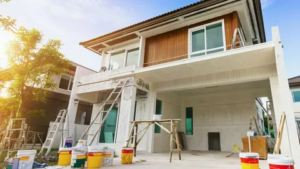
Why Exterior Painting Is Important in Dubai
Exterior walls remain exposed to environmental conditions throughout the year. Unlike interior surfaces, they must withstand direct sunlight, temperature changes, dust, and moisture without losing their protective qualities.
Protection Against Intense Sunlight
Dubai receives strong sunlight for much of the year. Prolonged ultraviolet (UV) exposure can gradually break down paint binders, causing fading, chalking, and surface deterioration.
Using UV-resistant exterior paint helps preserve color and maintain the coating’s performance. This is particularly important for villas and buildings with large wall surfaces facing direct sunlight.
Resistance to Extreme Heat
High temperatures can cause building materials to expand and contract. Repeated temperature changes may contribute to stress in paint films, especially when the underlying surface already contains cracks or adhesion problems.
Exterior coatings designed for hot climates can offer better thermal stability and flexibility than products intended exclusively for indoor use.
Protection from Dust and Sand
Fine sand and airborne dust can accumulate on exterior walls and contribute to surface wear over time. Dust can also affect paint adhesion when surfaces are not cleaned properly before repainting.
Durable exterior coatings, combined with regular cleaning, help maintain the appearance of walls and reduce the effects of everyday environmental exposure.
Resistance to Humidity and Rain
Although Dubai is known for its hot, dry conditions, humidity can rise significantly, particularly in coastal areas. Occasional rain and irrigation water may also affect exterior walls.
Suitable weather-resistant paint helps reduce moisture penetration, but it cannot replace proper waterproofing or repair underlying leaks. Identifying and resolving moisture problems before painting is essential for lasting results.
Best Types of Exterior Paint for Dubai’s Climate
Choosing the right paint is one of the most important decisions when planning an exterior painting Dubai project. The best option depends on the wall material, exposure conditions, existing coating, and desired finish.
1. Weather-Resistant Acrylic Paint
Exterior acrylic paint is a popular option for residential and commercial buildings because suitable formulations offer good color retention, flexibility, and resistance to weathering.
High-quality exterior acrylic products are designed to withstand sunlight and environmental exposure. They are commonly used on rendered walls, masonry, and other compatible exterior surfaces.
When selecting acrylic paint in Dubai, check that the specific product is rated for exterior use and suitable for the expected temperature and moisture conditions.
2. Elastomeric Wall Coatings
Elastomeric coatings are designed to provide a flexible film that can accommodate limited movement in compatible substrates. Some systems can bridge small, non-structural hairline cracks within their specified limits.
These coatings may be useful for exterior walls experiencing minor surface movement due to temperature changes. However, structural cracks and active water leaks must be investigated and repaired separately before painting.
Professional assessment helps determine whether an elastomeric coating is appropriate for the building.
3. Heat-Reflective Paint
Certain exterior coatings use reflective pigments to reduce the amount of solar energy absorbed by a surface. Depending on the product and application, they may help lower surface temperatures.
Heat-reflective paint can be worth considering for walls exposed to direct sunlight. However, its effectiveness varies by formulation, color, substrate, and application conditions.
It should not be treated as a complete substitute for roof insulation, wall insulation, or other building energy-efficiency measures.
4. Silicone-Modified Exterior Coatings
Some silicone-modified paints and facades coatings offer a combination of water repellency and vapor permeability. This can help protect suitable exterior surfaces while allowing moisture vapor to escape.
These products may be useful for particular facades systems, especially where moisture management is an important consideration.
Compatibility with the existing surface and the manufacturer’s application recommendations should always guide the selection.
How Exterior Painting Dubai Protects Your Property
Professional exterior painting provides several practical benefits beyond improving a building’s appearance.
Improved weather resistance: Suitable exterior coatings help protect compatible wall surfaces from rain, dust, sunlight, and environmental exposure.
Reduced color fading: UV-resistant formulations can help maintain a more consistent appearance over time.
Better surface condition: Correct preparation and appropriate coatings help protect sound surfaces from premature deterioration.
Enhanced curb appeal: Fresh, evenly applied paint makes villas, apartment buildings, and commercial properties look cleaner and better maintained.
Potential maintenance savings: A properly selected and applied paint system may reduce the frequency of repainting compared with an unsuitable or poorly applied coating.
Greater design flexibility: Homeowners and businesses can update exterior colors to complement architectural features, landscaping, and surrounding buildings.
The level of protection depends on the complete paint system, the quality of the substrate, and ongoing maintenance.
The Importance of Surface Preparation
Even premium exterior paint can fail prematurely if it is applied over dirty, damp, unstable, or damaged surfaces. Surface preparation is therefore a critical stage of exterior painting in Dubai.
Cleaning the Walls
Exterior walls should be cleaned to remove dust, sand, chalking, grease, and other contaminants. Depending on the surface, this may involve brushing, washing, or controlled pressure cleaning.
The wall must be allowed to dry adequately before the next stage.
Removing Peeling Paint
Loose, blistered, or flaking paint should be removed to create a stable surface. Applying new paint over failing layers can lead to further peeling and an uneven finish.
Repairing Cracks and Surface Damage
Small surface defects can often be repaired with suitable exterior fillers or repair compounds. Larger cracks, recurring cracks, and damaged render may require specialist assessment to identify the underlying cause.
Painting over unresolved structural movement will not provide a reliable repair.
Applying the Correct Primer
Primer helps improve adhesion and provides a suitable base for the selected topcoat. The correct primer depends on the substrate, existing paint, repaired areas, and manufacturer’s recommendations.
Bare masonry, new plaster, and repaired patches may require different preparation systems.
Applying the Final Coats
Once preparation and priming are complete, the exterior paint is applied according to the manufacturer’s coverage, drying, and recoat instructions.
Using the specified number of coats helps achieve consistent coverage and the intended protective performance.
Choosing Exterior Paint Colors for Dubai Properties
Color selection influences both the appearance and performance of exterior walls.
Light Colors for Sun-Exposed Walls
White, cream, beige, and light grey are popular choices for Dubai properties. Lighter colors generally absorb less solar energy than darker colors when other conditions are comparable.
This can help reduce surface heating, although the overall effect depends on the paint formulation and the building’s design.
Neutral Colors for Modern Villas
Neutral shades create a clean, contemporary appearance and can complement stone, glass, metal, and landscaped outdoor spaces.
Combining a primary wall color with a slightly darker shade around selected architectural features can create visual interest without making the exterior look overly busy.
Dark Colors for Architectural Contrast
Dark grey, brown, and other deeper shades can create a striking appearance. However, they often absorb more solar energy and may cause greater surface heating.
If you prefer darker colors, consult your painting contractor about the suitability of the paint system, expected surface temperatures, and long-term maintenance requirements.
For properties within managed communities, check applicable exterior color rules and approval requirements before making changes.
Best Time for Exterior Painting in Dubai
Weather conditions influence paint application, drying, and adhesion. The cooler months are often more convenient for large exterior painting projects because moderate temperatures can make it easier to maintain suitable working conditions.
However, the season alone does not determine whether painting is appropriate. Wall surface temperature, humidity, wind, dust, and the specific product’s application limits must all be considered.
During summer, exterior painting may still be possible when conditions are suitable, such as on shaded surfaces during cooler hours. Applying paint to excessively hot walls can cause it to dry too quickly and compromise the finish.
Professional painters should follow the manufacturer’s temperature and humidity limits, avoid unsuitable weather conditions, and allow adequate drying time between coats.
Residential and Commercial Exterior Painting Services
Exterior painting requirements vary according to the property type, surface condition, and size of the project.
Villa Exterior Painting
Villa painting may include external walls, entrance columns, boundary walls, balcony surfaces, and other suitable exterior features.
A thorough inspection helps identify cracks, peeling paint, moisture damage, and areas requiring additional preparation before repainting begins.
Apartment and Residential Building Painting
Apartment buildings often require coordinated work across multiple elevations and shared areas. Planning, access equipment, resident communication, and property management approvals may be necessary.
A defined project schedule helps minimize disruption and maintain consistent results across the building.
Commercial Exterior Painting Dubai
Offices, retail premises, restaurants, warehouses, and other commercial buildings benefit from regular exterior maintenance.
Professional painters can recommend suitable coatings and coordinate work around business operations where practical. For larger buildings, safe access arrangements and appropriate site controls are essential.
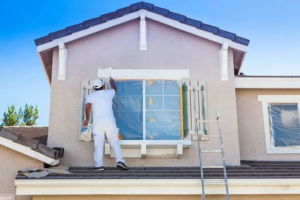
How to Choose a Reliable Exterior Painting Company in Dubai
Selecting a suitable painting contractor helps ensure that the project meets your expectations for quality, durability, and cost.
Before hiring a company, consider the following factors:
- Experience: Look for experience with villas, residential buildings, or commercial facades similar to your property.
- Paint specifications: Ask for the brand, product name, and exterior-grade specification rather than accepting a vague promise of premium paint.
- Preparation process: Confirm whether cleaning, scraping, crack repairs, and primer application are included.
- Detailed quotation: Ensure the quotation explains the scope of work, number of coats, materials, access equipment, and exclusions.
- Safety measures: Check how workers will access elevated surfaces and protect surrounding property.
- Workmanship assurance: Ask whether the contractor provides a written warranty and what conditions apply.
Avoid comparing quotations on price alone. A lower-cost service may exclude necessary repairs or use a different coating specification. Comparing the full scope helps you make a more informed decision.
Exterior Painting Maintenance Tips
Regular maintenance helps preserve the appearance of exterior paint and identify problems before they become more extensive.
Inspect exterior walls periodically for peeling, cracking, discoloration, white salt deposits, or damp patches. Clean accumulated dust with a suitable method that will not damage the coating.
Keep irrigation sprinklers directed away from painted walls where possible, and investigate persistent moisture rather than repeatedly repainting affected areas.
Repair minor paint damage promptly, using compatible products and appropriate preparation. If cracking or peeling continues to return, seek a professional assessment to identify the underlying cause.
The lifespan of exterior paint varies according to the product, surface preparation, building orientation, exposure, and maintenance. There is no single repainting interval suitable for every property.
Conclusion Exterior Painting Dubai
Exterior painting Dubai is an important part of protecting and maintaining properties in the UAE’s demanding climate. Intense sunlight, extreme heat, dust, and humidity can gradually affect exterior surfaces, making suitable paint selection and professional application essential.
Weather-resistant acrylic paints, elastomeric coatings, and specialized facades systems each offer different benefits. The right choice depends on the wall material, existing condition, exposure level, and specific protection requirements.
By investing in thorough surface preparation, compatible primers, quality exterior coatings, and appropriate application conditions, property owners can improve curb appeal and help extend the useful life of their painted surfaces.
Whether you need to repaint a villa, refresh a boundary wall, or maintain a commercial facades, choose a painting contractor who prioritizes preparation, material suitability, and workmanship. A carefully planned exterior painting Dubai project can help your property remain attractive and better protected against UAE heat.
FAQs
1. Which exterior paint is best for Dubai’s heat?
High-quality exterior acrylic paints are a common choice because suitable formulations provide UV resistance, weather durability, and good color retention. Elastomeric or specialized reflective coatings may be appropriate for particular applications. The best product depends on the substrate, exposure, and manufacturer’s specifications.
2. How often should exterior walls be repainted in Dubai?
The repainting interval depends on paint quality, preparation, sunlight exposure, surface condition, and maintenance. Rather than following a fixed schedule, inspect walls regularly for fading, chalking, peeling, and cracking. Repainting may be needed sooner on heavily exposed elevations.
3. Can exterior painting help reduce heat inside a building?
Some light-colored or heat-reflective coatings can reduce solar heat absorption at the surface. However, the effect on indoor temperatures depends on wall construction, insulation, roof design, windows, and ventilation. Exterior paint alone cannot replace an effective building insulation system.
4. Can I paint my villa exterior during Dubai’s summer?
Yes, if the weather and surface conditions fall within the paint manufacturer’s permitted application limits. Painters may schedule work during cooler hours or on shaded walls to avoid excessive surface temperatures. Painting should be postponed when heat, humidity, wind, or dust makes application unsuitable.
5. How much does exterior painting cost in Dubai?
Exterior painting costs depend on the building’s size, wall condition, paint specification, repair requirements, number of coats, and access equipment. The best way to obtain an accurate price is to arrange a property inspection and request a written quotation that clearly lists preparation, materials, and finishing work.