
In the architectural landscape of the UAE, balconies are more than structural extensions of apartments and villas — they are lifestyle spaces. They offer a slice of open air in high-rise living, a vantage point over glittering skylines, and a quiet retreat during cooler evenings. Yet, in a country where urban density intersects with an active bird population, balconies often become unintended perches, nesting grounds, and feeding spots for birds. Over time, this seemingly harmless presence transforms into a persistent household concern.
Balcony bird netting, therefore, is not merely an optional accessory. In the context of the UAE’s environment, climate, and urban lifestyle, it becomes a practical necessity grounded in hygiene, safety, property preservation, and peace of mind.
The Urban Ecology of the UAE
The UAE’s cities — particularly Dubai, Abu Dhabi, and Sharjah — are characterized by high-rise residential buildings and closely spaced communities. Such infrastructure inadvertently creates ideal resting and nesting sites for birds. Species such as pigeons and mynas thrive in urban environments where food sources are abundant and sheltered ledges are easily accessible.
Balconies, with their railings, air-conditioning units, and shaded corners, provide precisely the conditions birds seek: safety from predators, elevation, and proximity to human activity that guarantees leftover food or crumbs. This coexistence between birds and urban dwellers may seem benign at first, but it gradually disrupts the functional and hygienic integrity of residential spaces.
Bird netting emerges here not as an act of exclusion, but as a structured boundary within urban ecology — a way to balance natural wildlife presence with residential comfort.
Hygiene and Public Health Considerations
One of the most compelling theoretical arguments for balcony bird netting in the UAE revolves around hygiene. Bird droppings are not merely unsightly; they are acidic, corrosive, and potentially hazardous to health. Accumulated droppings can stain tiles, erode paint, and damage metal fixtures. More importantly, they may harbor bacteria, fungi, and parasites.
In a region where dust accumulation is already a daily reality due to desert winds, combining sand with bird waste creates an even more stubborn cleaning challenge. Frequent balcony washing becomes necessary, increasing water usage and maintenance costs. Over time, neglect can lead to unpleasant odors and the attraction of insects.
From a public health perspective, preventive measures are always preferable to reactive cleaning. Bird netting functions as a barrier that reduces contamination at its source, promoting a cleaner and safer residential environment.

Climate and Environmental Factors
The UAE’s climate intensifies the challenges associated with bird presence. High temperatures accelerate the decomposition of organic waste, amplifying odors and attracting pests more quickly than in temperate climates. Additionally, heat can cause droppings to harden and adhere more firmly to surfaces, making removal labor-intensive.
Humidity levels in coastal cities further complicate matters. Moist conditions encourage bacterial growth and unpleasant smells. In such an environment, even a short period of bird nesting can transform a balcony into an unsanitary space.
Theoretically, preventive infrastructure becomes a logical adaptation to environmental conditions. Just as homes in the UAE are designed with UV-resistant glass and thermal insulation to counteract heat, balcony bird netting is an architectural response to ecological pressures.

Protection of Property and Structural Integrity
Balconies are often furnished with outdoor seating, decorative plants, lighting fixtures, and sometimes storage cabinets. Continuous bird activity threatens these elements. Nesting materials — twigs, feathers, and debris — accumulate around corners and drains, potentially blocking water outlets during cleaning or rainfall.
Bird droppings, due to their acidic composition, can corrode metal railings and degrade paint finishes. Over time, this leads to premature wear and additional repair costs. For property owners and tenants alike, maintaining structural integrity is essential to preserving property value.
From a theoretical standpoint, bird netting can be understood as a protective layer — similar to a sealant or coating — that safeguards built environments from external biological factors. It ensures that architectural elements fulfill their intended lifespan without unnecessary deterioration.
Safety Concerns for Families
In many UAE households, balconies serve as play areas for children or relaxation spaces for families. The presence of bird droppings creates slippery surfaces, increasing the risk of falls. Moreover, loose nesting materials scattered across the floor can become tripping hazards.
There is also a psychological dimension to consider. The constant fluttering of wings, sudden bird landings, or the presence of nests near air-conditioning units may cause anxiety or discomfort, particularly for young children.
Balcony bird netting introduces predictability and control into the space. It transforms the balcony into a secure extension of the home — free from unexpected disturbances. The concept of “home” inherently includes safety and comfort; any recurring disruption challenges that definition.

Pest Control and Secondary Infestations
Bird activity does not exist in isolation. Where birds nest, secondary pests often follow. Mites, ticks, and insects may inhabit nesting areas. Left unchecked, these pests can migrate indoors through doors or ventilation gaps.
In the UAE’s warm climate, pest populations can multiply rapidly. What begins as a minor inconvenience can escalate into a more serious infestation requiring professional intervention.
Bird netting serves as a preventive measure in the broader framework of pest management. Instead of addressing symptoms — such as insects — it tackles the root cause by eliminating nesting opportunities.
Aesthetic Preservation and Urban Living Standards
Modern residential developments in the UAE emphasize aesthetics. Clean lines, glass facades, and minimalist balcony designs contribute to the visual appeal of buildings. However, visible bird droppings or nesting debris disrupt this architectural harmony.
In high-rise communities, the condition of balconies contributes to the collective appearance of the building. Poorly maintained balconies can diminish the overall impression of an otherwise sophisticated structure.
From an urban design perspective, bird netting supports aesthetic continuity. When installed discreetly and professionally, it remains nearly invisible while preserving the visual integrity of both individual homes and entire residential complexes.
Ethical and Humane Considerations
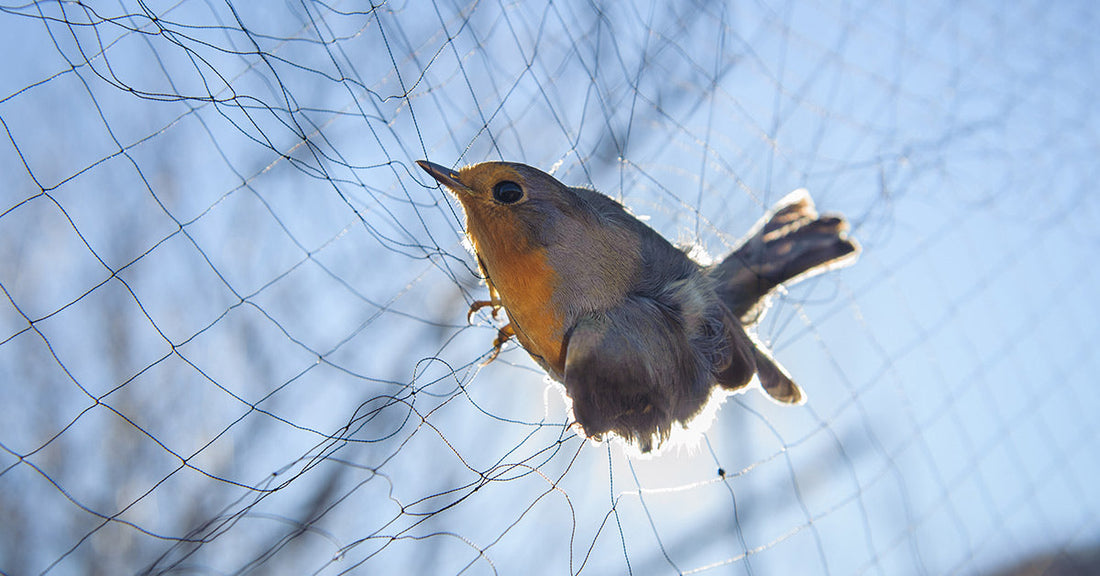
An important theoretical dimension of bird netting lies in its humane nature. Unlike harmful deterrents, properly installed bird nets do not injure birds. Instead, they gently redirect them to more suitable nesting locations.
The UAE places increasing emphasis on environmental responsibility and coexistence with wildlife. Bird netting aligns with this ethos by offering a non-lethal, non-invasive solution. It respects ecological balance while establishing necessary boundaries.
In this sense, balcony bird netting is not about conflict with nature, but about structured coexistence — a thoughtful response to shared urban space.
Psychological Comfort and Peace of Mind
Homes are sanctuaries. Persistent bird intrusion disrupts this sense of sanctuary. The need to constantly clean, monitor nests, or shoo away birds creates ongoing stress.
There is also the anticipation factor — the expectation that birds may return at any time. Such uncertainty subtly undermines relaxation.
Installing bird netting provides closure to this cycle. It transforms the balcony from a contested territory into a controlled and dependable space. The psychological benefit of knowing that the issue is permanently resolved should not be underestimated.
Long-Term Cost Efficiency
While bird netting requires an initial investment, it prevents recurring cleaning expenses, repainting, repairs, and pest control treatments. In economic terms, preventive infrastructure often proves more cost-effective than repeated remediation.
In the UAE’s fast-paced lifestyle, time itself is a valuable resource. Reducing maintenance demands allows homeowners to focus on more meaningful aspects of life rather than ongoing upkeep.
Conclusion
Balcony bird netting in the UAE transcends mere convenience. It represents a practical adaptation to environmental realities, urban density, and modern living standards. The intersection of climate, hygiene, structural preservation, safety, and psychological comfort makes bird netting not simply advisable but essential.
In a region defined by innovation and architectural advancement, proactive home protection aligns naturally with the broader ethos of thoughtful design. A balcony should be a place of relaxation, not repeated maintenance. By installing bird netting, homeowners assert control over their living spaces while maintaining harmony with the surrounding environment.
Ultimately, balcony bird netting is less about restricting birds and more about redefining boundaries — ensuring that homes in the UAE remain clean, safe, aesthetically pleasing, and truly restful spaces.