
Planning an outdoor event, a camping trip, or a backyard gathering requires reliable shelter. Whether you want to block the harsh summer sun or keep sudden rainstorms at bay, finding the right cover matters. You will likely narrow your search down to two popular outdoor shelter solutions: waterproof tarpaulins vs shade tents.
Both options offer excellent benefits, but they serve entirely different primary purposes. A waterproof tarp provides incredible flexibility and heavy-duty moisture blocking. A shade tent offers a quick, structured, and visually appealing way to stay out of the sun.
This guide breaks down the key differences between these two popular options. We will compare them across durability, weather resistance, versatility, and cost to help you choose the exact setup you need for your next outdoor adventure.
Understanding Your Outdoor Shelter Solutions
Before diving into a direct comparison, you need to understand what makes each option unique.
What Are Waterproof Tarpaulins?
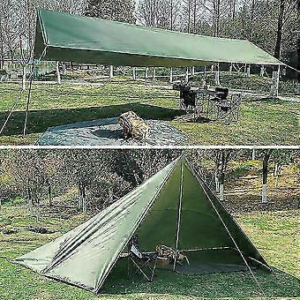
Waterproof tarpaulins, often called tarps, are large sheets of strong, flexible, and water-resistant material. Manufacturers typically make them from plastics like polyethylene, canvas, or PVC. They feature reinforced edges and metal grommets, allowing you to tie them down to trees, poles, or stakes. Tarps require a bit of creativity to set up, but they offer unmatched utility.
What Are Shade Tents?
Shade tents, which include pop-up canopies and beach tents, provide structured overhead cover. They come with their own frames, usually made from lightweight aluminum or steel. You can set them up in minutes on flat ground, and they instantly create a defined, comfortable space. While some offer water resistance, their main job is to provide shade and block UV rays.
Head-to-Head Comparison
To find the right fit for your needs, you must see how these two options stack up against each other in practical situations.
Durability and Longevity
Waterproof Tarpaulins
Heavy-duty tarps thrive under rough conditions. A thick PVC or canvas tarp resists tearing, even when stretched tight across rough branches or exposed to high winds. Because they lack a rigid frame, you do not have to worry about poles snapping or joints breaking. If a tarp gets a small tear, you can easily repair it with heavy-duty tape.
Shade Tents
Shade tents offer decent durability, but their frames are their weak point. High winds can easily bend or snap the metal struts of a pop-up canopy. The fabric covering a shade tent is usually thinner than a heavy-duty tarp, making it more prone to snags and rips. If a critical frame piece breaks, you often have to replace the entire tent.
Weather Protection and Resistance
Waterproof Tarpaulins
If you need guaranteed weather protection, tarps win easily. True waterproof tarpaulins block rain completely. You can angle them to ensure water runs off efficiently, keeping everything underneath completely dry. They also block the wind when tied down securely near the ground.
Shade Tents
Shade tents excel at their namesake: providing shade. They offer fantastic UV protection and keep you cool on hot days. However, they struggle in poor weather. Most shade tents are only water-resistant, meaning a heavy downpour will eventually soak right through the fabric. Additionally, the open-sided nature of most canopies lets blowing rain inside.
Versatility and Setup
Waterproof Tarpaulins
Tarps score massive points for versatility. You can use a tarp as a ground cover, an emergency roof repair, a hammock shelter, or a windbreak. You can configure it into an A-frame, a lean-to, or a diamond shelter. The tradeoff is the setup process. You need ropes, stakes, and a basic knowledge of knots. You also need existing structures, like trees or poles, to tie it to.
Shade Tents
Convenience is the biggest selling point of a shade tent. Most pop-up canopies take less than two minutes to fully assemble. You simply pull the frame outward, lock the joints, and extend the legs. You can place them on grass, dirt, concrete, or sand. While they lack the endless configurations of a tarp, they provide instant, hassle-free structure anywhere you have flat ground.
Cost Analysis
Waterproof Tarpaulins
Tarps are incredibly budget-friendly. You can pick up a standard polyethylene tarp for just a few dollars. Even high-end, heavy-duty PVC or canvas tarps cost significantly less than a quality shade tent. Because they last a long time and resist damage, they offer fantastic long-term value.
Shade Tents
Shade tents require a larger initial investment. The cost covers the metal frame, the moving joints, and the carrying case. A reliable pop-up canopy will cost several times more than a good tarp. You are paying for the convenience of the all-in-one design and the rapid setup time.
Ideal Use Cases
Choosing between these two options comes down to what you actually plan to do outside.
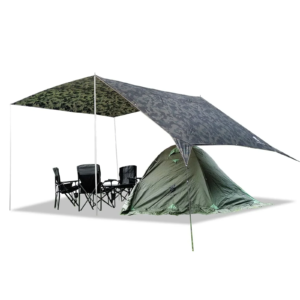
When to Choose Waterproof Tarpaulins
- Backpacking and Wilderness Camping: Tarps pack down incredibly small and weigh very little, making them perfect for hikers.
- Storm Preparation: If you expect heavy rain or wind, a tarp provides a reliable, waterproof barrier.
- Covering Equipment: Use tarps to protect firewood, vehicles, or outdoor gear from the elements.
- Uneven Terrain: When you are in a dense forest without flat ground, you can tie a tarp between trees with ease.
When to Choose Shade Tents
- Beach Trips: A pop-up shade tent gives your family a fast, reliable escape from the harsh sun.
- Tailgating and Festivals: Canopies define your space in a parking lot or field where trees are not available to hang a tarp.
- Backyard Barbecues: Shade tents look more professional and inviting for social gatherings.
- Quick Vendor Booths: If you need a temporary storefront at a farmer’s market, a shade tent offers the perfect ready-made structure.
Conclusion Waterproof Tarpaulins vs Shade Tents
Both waterproof tarpaulins and shade tents hold a valuable place in the world of outdoor shelter solutions. The right choice completely depends on your environment, weather conditions, and how much effort you want to put into the setup.
If you prioritize maximum weather protection, versatility, and rugged durability on a budget, buy a high-quality waterproof tarp. Take the time to learn a few basic knots, and you will have a shelter that can survive nearly anything.
If you value convenience, need reliable sun protection, and plan to set up on flat ground without trees, invest in a shade tent. The rapid setup and structured space make it the ultimate choice for casual outdoor gatherings.
Evaluate your next outdoor project, check the weather forecast, and use this guide to pick the perfect shelter for your needs.