
Dubai’s booming construction and real estate sectors demand flooring solutions that combine durability, aesthetics, ease of maintenance, and performance in a desert climate. With extreme heat, intense sunlight, and heavy foot and vehicle traffic in commercial and industrial areas, choosing the right floor coating isn’t just about looks — it’s about long-term value and function.
One of the most popular choices in the UAE is epoxy flooring, but alternatives like polyurethane, polyaspartic, acrylic, polished concrete, and traditional paint coatings also have strong cases in specific scenarios. This article explores how epoxy compares with these other materials and what makes flooring “best” depending on your budget, space use, and environmental conditions.
What Is Epoxy Flooring?
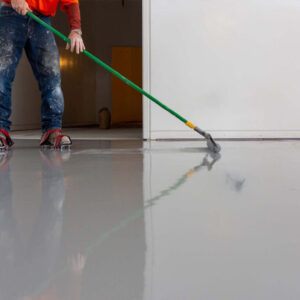
Epoxy flooring is a resin-based coating applied over concrete. Once cured, it forms a thick, seamless, chemical-resistant layer that protects and enhances the look of floors. Dubai’s market offers many epoxy systems — including self-leveling, quartz/flake, mortar, decorative metallic, and anti-static types — each suited to different uses from warehouses to luxury villas.
Key Characteristics of Epoxy
- Durable and Hard: Resists heavy loads, abrasion, and impacts.
- Seamless Surface: No joints = fewer dirt traps and easier cleaning.
- Chemical-Resistant: Withstands oils, chemicals, and stains.
- Versatile Aesthetics: Wide color, texture, and pattern choices.
- Custom Performance: Options for slip resistance, anti-static, or decorative effects.
Advantages of Epoxy Flooring
a. Toughness and Long Life
Epoxy systems are engineered to handle heavy industrial traffic, forklifts, and heavy equipment loads — which makes them ideal for factories, warehouses, garages, and service centers. Their strong adhesion and resistance to wear mean they can last many years with minimal maintenance.
b. Easy Maintenance
Once cured, epoxy forms a smooth, non-porous surface that resists dirt, dust, and liquids. Regular sweeping and occasional mopping keeps the floor clean, making it attractive for restaurants, showrooms, retail shops, and medical facilities that prioritise hygiene.
c. Cost-Effectiveness Over Time
While certain epoxy types (like decorative or high-build systems) cost more upfront, their durability often results in lower lifecycle costs compared with frequent replacement of cheaper solutions like painted concrete.
d. Design Flexibility
Dubai’s design trends lean toward polished and modern interiors — epoxy’s glossy finishes, metallic effects, and decorative flakes let interior designers create bespoke floors that complement high-end spaces.
Limitations of Epoxy Flooring
Despite its strengths, epoxy isn’t perfect for every situation:
a. UV Sensitivity and Outdoor Use
Standard epoxy can yellow and fade under intense sunlight, which is a significant consideration in Dubai’s outdoor environments. Specialized UV-stable formulations are available, but they cost more and still may not perform as well as other UV-resistant systems.
b. Rigidity and Cracking
Epoxy is a brittle material, so if the substrate shifts or cracks, the floor coating can crack as well. This makes it less ideal in environments with frequent temperature changes or substrate movement unless flexible systems or expansion joints are incorporated.
c. Installation Challenges
Epoxy flooring demands precise surface preparation — dust, oil, or moisture can cause adhesion problems and bubbling. The curing process can also take several days, which might disrupt operations in busy commercial spaces.
d. Moisture Vulnerability
If moisture vapour comes up through the slab during installation, it can cause delamination or bubbles in the epoxy — a potential issue in poorly ventilated or ground-level slabs without proper moisture barriers.
Comparison with Other Floor Coatings
a. Epoxy vs Polyurethane
Polyurethane coatings are more flexible, making them better at resisting impact and temperature changes. They also offer excellent UV stability — they won’t yellow under sunlight like standard epoxy — which is valuable in outdoor or semi-outdoor Dubai spaces.
Epoxy flooring is harder and often more resistant to heavy wear and chemical spills, but its rigidity makes it prone to cracking in a dynamic environment. Polyurethane tends to be pricier but offers better long-term resilience outdoors and under repeated thermal expansion and contraction.
b. Epoxy vs Polyaspartic Coatings
Polyaspartic coatings are a newer alternative boasting rapid cure times and high UV resistance. Unlike epoxy, polyaspartic floors can often be installed in a single day and be ready for foot/vehicle traffic within hours.
They offer excellent abrasion resistance and flexibility, which makes them suitable for both indoor and outdoor use in solar-exposed UAE climates. The trade-off is typically higher material cost.
c. Epoxy vs Acrylic Coatings
Acrylic coatings are often more affordable and dry quickly. However, they are less durable and less resistant to heavy traffic and chemicals compared with epoxy. Acrylic works well for decorative or light-use areas, but it wears out faster in industrial or high-traffic commercial environments.
d. Epoxy vs Polished Concrete
Polished concrete offers a sleek, modern look with minimal maintenance and great durability. It doesn’t involve resin coatings, so there’s no risk of yellowing. But it lacks the chemical resistance and seamless protective layer that epoxy provides — especially for areas with spills or heavy industrial use.
Practical Guidance: Choosing the Right Flooring for Dubai
Best for Industrial and High-Traffic Areas
Epoxy flooring shines in factories, warehouses, workshops, showrooms, and garages where chemical resistance, impact strength, and abrasion resistance are priorities. Its seamless surface helps meet hygiene standards in food processing, healthcare, or pharmaceutical facilities.
Best for Outdoor or Sun-Exposed Areas
Polyurethane or polyaspartic floor coatings generally outperform epoxy outdoors due to UV resistance and flexibility under temperature swings. For rooftop terraces, outdoor patios, and sunlit commercial areas, these coatings may deliver longer-lasting performance.
Best for Budget-Conscious Interiors
In residential interiors or light traffic areas like bedrooms, showrooms, and small offices, decorative epoxy or acrylic coatings can deliver attractive, affordable flooring.
Best for Rapid Turnover Projects
Polyaspartic coatings are ideal where downtime must be minimized — for example, in retail spaces needing next-day opening after renovation.
Conclusion
Epoxy flooring remains a top choice in Dubai for its durability, design versatility, and cost-effectiveness when installed correctly. However, when sunlight exposure, rapid project timelines, or dynamic substrates are key concerns, polyurethane and polyaspartic coatings may offer superior long-term performance. Polished concrete and acrylic finishes serve well in lighter-duty or design-focused spaces.
The right flooring solution ultimately depends on your project’s intended use, budget, and environmental exposure. Consulting with local flooring professionals — who understand Dubai’s unique climate and building standards — can help you select the optimal system for your space.