
Dubai’s climate is one of the harshest in the world for property owners trying to manage energy bills. With summer temperatures regularly crossing 45°C and direct sunlight beating down on rooftops, windows, and outdoor spaces for most of the year, air conditioning becomes the single largest expense in any villa or office budget. Shade nets in Dubai, also known as sun shade nets or shade cloths, have emerged as one of the most practical and affordable solutions for cutting cooling costs across residential and commercial properties in the UAE. This article explains how shade nets in Dubai work, why they are so effective in Dubai’s climate, and how villa owners and office managers can use them to lower electricity bills without compromising comfort or aesthetics.
Why Cooling Costs Are So High in Dubai
Air conditioning in Dubai typically accounts for 60 to 70 percent of total electricity consumption in a residential or commercial building. This is driven by a combination of factors: intense solar radiation, high ambient temperatures for eight or more months of the year, and building materials such as glass, concrete, and metal that absorb and retain heat. When sunlight hits an unshaded wall, window, or rooftop, the surface temperature can rise well above the surrounding air temperature, a phenomenon known as solar heat gain. This heat transfers into the building through conduction and radiation, forcing HVAC systems to work harder to maintain a comfortable indoor temperature.
Reducing solar heat gain at the source, before it reaches walls, windows, or outdoor living areas, is far more energy-efficient than trying to remove heat after it has already entered the building. This is the core principle behind shade netting.
What Are Shade Nets and How Do They Work
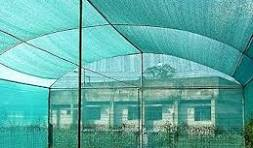
Shade nets in Dubai are woven fabric screens, usually made from high-density polyethylene (HDPE), designed to block a specific percentage of sunlight while still allowing air to pass through. Unlike solid covers or awnings, shade nets are breathable, which prevents heat from becoming trapped underneath them. They are rated by shade factor, typically ranging from 30 percent to 95 percent, indicating how much solar radiation the net blocks.
When installed correctly, shade nets work through three mechanisms:
- Solar reflection – The woven fibers reflect a portion of incoming sunlight away from the surface they are protecting.
- Shade casting – The net creates a shadow over walls, windows, rooftops, or outdoor areas, preventing direct sun exposure.
- Ventilated heat dispersion – Because the material is porous, hot air does not accumulate beneath the net the way it would under a solid roof or sheet, allowing heat to dissipate rather than build up.
This combination makes shade nets in Dubai significantly more effective at heat management than solid shading structures in a hot, arid climate like Dubai’s.
Shade Nets for Villas: Practical Applications
Villa owners in Dubai typically face heat exposure on multiple surfaces: rooftops, west and south-facing walls, swimming pools, car parking areas, and outdoor seating or garden spaces. Shade nets can be applied strategically across each of these zones.
Rooftop and Terrace Shading
Rooftops absorb the most direct sunlight of any surface on a villa. Installing a shade net structure over a flat roof or terrace can lower the surface temperature dramatically, which in turn reduces the amount of heat radiating into the rooms directly beneath it. This is particularly valuable for villas with roof-access rooms, laundry areas, or storage spaces that tend to become unbearably hot in summer.
Window and Facades Protection
West-facing and south-facing windows receive the most intense afternoon sun in Dubai. Exterior shade netting installed a short distance from the glass, rather than directly against it, blocks solar radiation before it reaches the window while still permitting airflow. This is more effective than internal curtains or blinds, which only block heat after it has already passed through the glass and entered the room.
Pool and Garden Areas
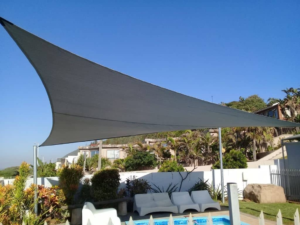
Uncovered swimming pools in Dubai can reach uncomfortably high temperatures and lose water rapidly through evaporation. Shade nets positioned above pool decks reduce water temperature, cut evaporation rates, and make outdoor garden and seating areas usable for more hours of the day, particularly during peak summer months.
Car Parking Shades
Vehicles parked under direct sun in Dubai can reach interior temperatures well above 60°C, and dashboard materials, upholstery, and even electronics can degrade over time from prolonged UV exposure. Shade net carports are a low-cost alternative to solid metal or aluminum canopies and are widely used across villa compounds for this reason.
Shade Nets for Offices and Commercial Buildings
Commercial properties face a different but related challenge: large glass facades, flat rooftops, and outdoor employee or customer areas that all contribute to solar heat gain.
Glass Facades Heat Reduction
Many office buildings in Dubai use extensive glazing for aesthetic and natural lighting purposes, but this design significantly increases cooling demand. External shade netting mounted on frames in front of glass facades, particularly on the sun-facing sides of a building, can reduce the solar heat entering through windows by a substantial margin, easing the load on centralized HVAC systems.
Rooftop HVAC Unit Shading
Rooftop-mounted air conditioning units and chillers operate less efficiently when their condensers are exposed to direct sunlight, since higher ambient temperatures around the unit force the compressor to work harder. Shading these units with a ventilated shade net can improve their operating efficiency and extend equipment lifespan, indirectly lowering energy consumption.
Outdoor Common Areas and Walkways
Offices with courtyards, smoking areas, entrances, or outdoor seating benefit from shade netting that keeps these spaces usable throughout the day, improving employee comfort without the capital expense of permanent architectural shading.
Warehouse and Industrial Facility Roofs
Large industrial and logistics facilities with extensive flat roofing are especially prone to heat buildup. Shade netting installed above the roof structure, with a ventilation gap between the net and the roofing material, can lower interior warehouse temperatures considerably, reducing both cooling costs and heat stress for workers.
Estimating the Cooling Cost Savings
The exact savings from shade net installation depend on the shade factor selected, the orientation of the property, and the extent of coverage, but the underlying mechanism is well established in building science. Reducing direct solar exposure on a building’s envelope lowers the cooling load, meaning the air conditioning system does not need to run as long or as intensely to maintain the same indoor temperature. Property owners in Dubai commonly report a noticeable drop in monthly DEWA electricity bills after installing shade netting over rooftops, west-facing windows, and outdoor units, particularly during the peak summer billing cycles between May and September.
Beyond direct electricity savings, shade nets also reduce wear on HVAC compressors caused by having to work harder against excessive heat gain, which can extend equipment life and lower maintenance and repair costs over time.
Choosing the Right Shade Nets in Dubai for Your Property
Not all shade nets in Dubai are equal, and selecting the right one depends on the specific application:
-
Shade factor:
Higher percentages (80 to 95 percent) are ideal for rooftops, pool areas, and parking shades where maximum heat blockage is the priority. Lower percentages (30 to 50 percent) suit garden areas where some natural light is still desired for plants.
-
Material quality:
UV-stabilized HDPE nets resist degradation from Dubai’s intense sun and typically last several years longer than uncoated alternatives.
-
Color:
Darker colors such as black or green tend to absorb more heat into the fabric itself, while lighter colors like white, silver, or beige reflect more radiation and stay cooler to the touch, making them a better choice for structures positioned close to living or working spaces.
-
Installation method:
Proper tensioning and a ventilation gap between the net and the surface being shaded are essential for the airflow mechanism to work effectively.
Additional Benefits Beyond Cooling
While cost savings on air conditioning is the primary motivation, shade nets offer several secondary benefits that make them a worthwhile investment for Dubai properties:
- UV protection for outdoor furniture, vehicles, and landscaping, preventing premature fading and material degradation.
- Improved outdoor usability, allowing gardens, pools, and courtyards to be used comfortably for longer periods during the day.
- Dust and sand mitigation, as many shade nets also reduce the amount of airborne dust settling on outdoor equipment and surfaces.
- Lower installation and maintenance cost compared to permanent architectural shading structures such as pergolas or solid canopies.
Conclusion Shade Nets in Dubai
Shade nets in Dubai offer one of the most cost-effective ways for villa owners and office managers in Dubai to reduce cooling costs without undertaking major structural renovations. By blocking solar heat gain at rooftops, facades, outdoor units, and open-air spaces while still allowing ventilation, shade nets ease the burden on air conditioning systems, extend HVAC equipment life, and improve overall comfort throughout the property. For anyone looking to lower their DEWA bills while making their villa or office more livable during Dubai’s long summer season, investing in properly selected and professionally installed shade netting is a practical, high-impact solution.