
In the UAE, shade structures are everywhere: restaurant terraces, retail walkways, school courtyards, car parks, warehouses, construction sites, and industrial yards all rely on shade nets to reduce heat and improve comfort. However, in many commercial, public, and high-occupancy environments, ordinary shade nets are not enough. Property owners, contractors, and facility managers are increasingly required to use fire-retardant (FR) shade nets that meet applicable fire-safety requirements.
This article explains what fire-retardant shade nets are, why they matter in UAE commercial zones, where they are commonly required, and how to select compliant products for your project.
Important note
The UAE does not have a single universal “shade-net rule” that applies identically to every emirate, municipality, building type, and occupancy. Requirements can vary by authority having jurisdiction (AHJ), project classification, and fire-code interpretation. Always verify the exact requirement with the relevant authority, consultant, civil-defense/fire-safety engineer, and the project specifications before procurement and installation.
What Is a Fire-Retardant Shade Net?
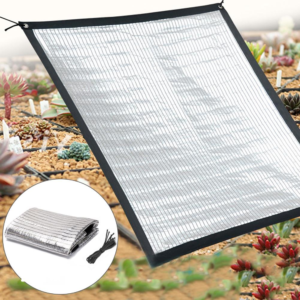
A fire-retardant shade net is a shading fabric manufactured or treated to resist ignition, slow flame spread, and reduce fire growth compared with standard polyethylene or polypropylene nets.
These products are typically designed to:
- Delay ignition when exposed to a heat source.
- Reduce flame propagation across the fabric.
- Limit melting and dripping behavior (depending on the material system).
- Meet specified fire-performance standards identified in project specifications or authority approvals.
Common material systems include FR-treated HDPE, FR-coated textiles, PVC-based technical fabrics, and other engineered membranes intended for commercial or public-use applications.
Why Fire-Retardant Shade Nets Matter in Commercial Zones
Commercial areas have higher occupant loads, greater public access, more electrical equipment, and stricter life-safety obligations than many private residential installations.
1. They reduce fire spread risk
A conventional shade net can act as a combustible surface. If ignited by faulty wiring, outdoor heaters, cooking equipment, discarded cigarettes, or nearby construction activity, flames may spread rapidly across the canopy.
Fire-retardant nets are designed to slow flame spread, giving occupants more time to evacuate and emergency responders more time to intervene.
2. They support compliance with fire-safety requirements
Many commercial projects are reviewed by civil-defense authorities, municipalities, consultants, and insurers. Specifications may require materials that meet particular fire-performance criteria.
Using non-compliant shade materials can lead to approval delays, rework orders, failed inspections, or insurance complications.
3. They protect high-occupancy public spaces
Outdoor dining areas, school yards, event spaces, retail promenades, transport facilities, and community gathering areas concentrate people beneath the shade structure. Authorities generally apply stricter fire-safety scrutiny to these occupancies.
4. They withstand harsh UAE conditions better when specified correctly
UAE installations face extreme UV exposure, high temperatures, dust, and occasional strong winds. Commercial-grade FR shade systems are often specified with UV stabilization, reinforced edges, certified hardware, and engineered support structures to achieve both fire performance and durability.
Where Fire-Retardant Shade Nets Are Commonly Required
Exact requirements depend on the authority and project classification, but FR shade materials are frequently specified for:
| Application | Why FR Material Is Often Specified |
| Restaurant and café terraces | Cooking equipment, public occupancy, and proximity to buildings increase fire risk. |
| Retail walkways and malls | Public circulation areas typically require stricter life-safety compliance. |
| Schools and educational campuses | Protection of children and large occupant loads drives conservative material selection. |
| Warehouse and logistics yards | Stored goods, vehicle traffic, and operational equipment create ignition hazards. |
| Industrial facilities | Process equipment, maintenance activities, and higher hazard classifications may apply. |
| Construction-site perimeter and work-area shading | Hot works, temporary power, and site safety rules often favor FR materials. |
| Event and exhibition venues | Temporary structures serving the public are commonly reviewed for fire performance. |
What UAE Authorities and Consultants Typically Look For
Again, the exact checklist varies by project, but commercial reviewers commonly request documentation such as:
-
Fire test reports or certificates:
Documentation identifying the tested product, test standard, laboratory, and classification.
-
Product data sheets:
Material composition, weight, UV stabilization, shade percentage, and fire-performance claims.
-
Engineer or consultant approval:
Confirmation that the proposed material satisfies the project specification.
-
Installation details:
Support structure design, anchoring, clearances from heat sources, and maintenance requirements.
Practical procurement tip
Ask suppliers for the specific fire-test certificate that applies to the exact fabric code, color, weight, and manufacturing batch or product family you are purchasing. A generic “fire retardant” marketing claim is not the same as project-acceptable documentation.
Common Mistakes That Cause Compliance Problems
- Buying by shade percentage alone: A 90% shade net is not automatically fire-retardant. Shade density and fire performance are separate specifications.
- Assuming residential products are acceptable for commercial use: Many low-cost residential nets lack the documentation required for commercial approvals.
- Ignoring supporting components: Even if the fabric is compliant, wiring, lighting, heaters, fastening systems, and structural details must also meet project requirements.
- Installing too close to ignition sources: FR materials improve resistance, but they are not a license to place shade fabric directly adjacent to grills, generators, welding areas, or other heat sources.
- Failing to maintain the installation: Damaged fabric, loose electrical connections, and accumulated debris can undermine safety over time.
Choosing the Right FR Shade Net for a UAE Project
A practical selection process is:
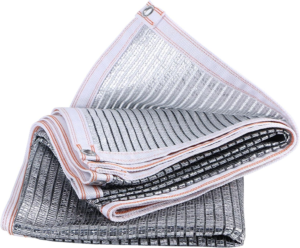
Confirm the authority and project specification first:
Ask the consultant or authority exactly which fire-performance standard or classification is required.
Determine the shade percentage separately:
Select the density based on the application (for example, many outdoor seating and parking applications use approximately 70–90% shading, while some horticultural applications use lower densities).
Specify UV-stabilized commercial-grade material:
Extreme UAE sunlight can rapidly degrade inferior fabrics.
- Review certified documentation before purchase: Verify that the certificate matches the exact product being supplied.
- Use qualified installers: Proper tensioning, anchoring, clearances, and structural design are as important as the fabric itself.
- Keep records: Maintain certificates, invoices, installation drawings, and maintenance logs for inspections and insurance purposes.
Cost Considerations: Why FR Nets Usually Cost More
Fire-retardant shade nets generally cost more than standard shade nets because of:
- Specialized materials or treatments.
- Testing and certification costs.
- Commercial-grade manufacturing standards.
- Documentation and compliance support.
However, the additional cost is usually small compared with the potential consequences of failed inspections, replacement orders, business interruption, or fire-related losses.
Final Thoughts Fire-Retardant Shade Nets
In UAE commercial zones, shade structures are not just comfort features—they are part of the building’s broader life-safety environment. Fire-retardant shade nets are commonly specified because they reduce flame-spread risk, support regulatory compliance, protect high-occupancy public spaces, and align with commercial fire-safety expectations.
The most important takeaway is this: do not choose a commercial shade net based only on price, color, or shade percentage. Confirm the required fire-performance classification with the relevant authority and project consultant, obtain product-specific certification, and use qualified installers. In the UAE’s regulatory environment, documented compliance is just as important as the fabric itself.
FAQs
-
Are fire-retardant shade nets legally required everywhere in the UAE?
Not universally. Requirements vary by emirate, municipality, occupancy type, project specification, and authority having jurisdiction. Many commercial and public-use projects require FR-certified materials, while some residential installations may not.
-
Is a 90% shade net automatically fire-retardant?
No. Shade percentage only describes how much sunlight is blocked. Fire performance is a separate specification that must be verified through certificates or test reports.
-
Can I use a residential garden shade net for a restaurant terrace?
Often that is not advisable. Restaurant terraces typically involve public occupancy and may be subject to stricter fire-safety requirements than a private garden installation. Always check the project specification and authority requirements.
-
What documents should I request from the supplier?
Ask for product data sheets, fire-test reports or certificates for the exact product code being supplied, UV-stabilization information, and any approval documentation required by the consultant or authority.
-
Does “fire-retardant” mean the shade net is fireproof?
No. Fire-retardant materials are designed to resist ignition and slow flame spread. They can still be damaged by fire and should be kept clear of grills, heaters, welding operations, generators, and other ignition sources.