
Choosing the right flooring is an important decision for homes, offices, warehouses, and commercial spaces. In hot regions like the United Arab Emirates, epoxy flooring Vs tiles must handle heat, heavy foot traffic, and easy maintenance.
Two of the most popular flooring options today are epoxy flooring and tiles. Both have their own advantages and disadvantages depending on where they are used.
This guide explains the key differences between epoxy flooring vs tiles in terms of cost, durability, and maintenance so you can decide which option works best for your space in cities like Dubai.
What Is Epoxy Flooring?
Epoxy flooring is a type of surface coating applied over concrete floors. It is made by mixing resin and hardeners, which create a strong chemical bond when applied. Once cured, epoxy forms a smooth, seamless, and highly durable surface.
Epoxy flooring is commonly used in:
- Garages
- Warehouses
- Industrial facilities
- Commercial buildings
- Hospitals and laboratories
In recent years, epoxy flooring has also become popular in residential homes across the United Arab Emirates.
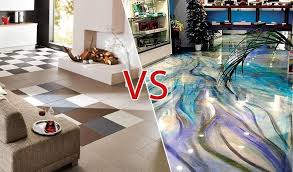
What Are Tile Floors?
Tiles are solid flooring materials made from ceramic, porcelain, stone, or similar materials.
Tile flooring is installed by placing individual pieces on the floor and sealing them with grout.
Tiles are widely used in homes and commercial spaces in cities like Dubai because they offer durability and aesthetic variety.
Common tile types include:
- Ceramic tiles
- Porcelain tiles\
- Marble tiles
- Granite tiles
Tiles are often chosen for living rooms, kitchens, bathrooms, and outdoor areas.
Cost Comparison: Epoxy Flooring vs Tiles
Cost is one of the first factors people consider when choosing flooring.
Epoxy Flooring Cost
Epoxy flooring usually costs less for large areas because it is applied as a liquid coating over existing concrete.
Factors affecting cost include:
- Floor preparation
- Thickness of epoxy coating
- Decorative finishes
- Labor charges
For warehouses or garages in the United Arab Emirates, epoxy flooring is often more cost-effective than installing tiles.
Tile Flooring Cost
Tile flooring costs can vary depending on the material.
Ceramic tiles are relatively affordable, while marble or granite tiles can be expensive.
Additional costs include:
- Tile adhesive
- Grouting
- Installation labor
- Surface leveling
In cities like Dubai, premium tile installations can become quite costly compared to epoxy floors.
Durability Comparison
Durability is another key factor, especially for high-traffic areas.
Epoxy Flooring Durability
Epoxy floors are known for their strength and long lifespan.
Benefits include:
- Resistance to chemicals and stains
- High load-bearing capacity
- Impact resistance
- Seamless surface with no joints
Epoxy flooring is commonly used in warehouses and industrial areas across the United Arab Emirates because it can handle heavy equipment and vehicles. However, epoxy floors may scratch if exposed to sharp metal objects.
Tile Flooring Durability
Tiles are also very durable and resistant to wear.
Advantages include:
- Hard surface resistant to scratches
- Long lifespan with proper care
- Heat resistance
Porcelain tiles are especially strong and suitable for busy areas in homes and offices. However, tiles can crack under heavy impact, and damaged tiles often need replacement.
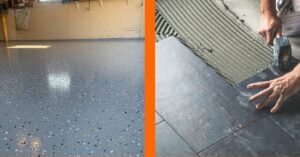
Maintenance Requirements
Maintenance is a major factor when choosing flooring materials.
Epoxy Flooring Maintenance
Epoxy floors are easy to maintain because they have a smooth and seamless surface.
Maintenance usually involves:
- Sweeping dust and debris
- Mopping with mild cleaning solutions
- Occasional polishing for shine
Because epoxy floors have no grout lines, dirt and bacteria have fewer places to collect. This makes epoxy floors popular in hospitals, kitchens, and laboratories in Dubai.
Tile Flooring Maintenance
Tile floors require slightly more maintenance.
Cleaning usually involves:
- Regular sweeping
- Mopping
- Grout cleaning
Over time, grout lines can become dirty or stained.
In humid environments across the United Arab Emirates, grout may also develop mold if not maintained properly.
Appearance and Design Options
Both epoxy flooring and tiles offer design flexibility.
Epoxy Flooring Design
Modern epoxy flooring can be customized with many finishes, including:
- Glossy coatings
- Metallic effects
- Decorative flakes
- Solid color coatings
These options allow homeowners and businesses in Dubai to create stylish and modern interiors.
Tile Flooring Design
Tiles offer a wide range of design choices.
Available options include:
- Marble-look tiles
- Wood-look tiles
- Patterned tiles
- Natural stone tiles
Tiles are often preferred for decorative interior spaces because they provide more visual variety.
Heat Resistance in UAE Climate
The climate in the United Arab Emirates is known for high temperatures. Both epoxy flooring vs tiles perform well in warm conditions, but they behave differently.
Epoxy Floors
Epoxy coatings can withstand high indoor temperatures, but they may discolor if exposed to direct sunlight for long periods.
Tiles
Tiles, especially ceramic and porcelain, handle heat very well and remain cool to the touch.
This is why tile flooring is common in homes throughout Dubai.
Installation Process
Installation time and complexity can also influence your decision.
Epoxy Installation
Epoxy flooring involves several steps:
- Surface preparation
- Crack repair
- Primer application
- Epoxy coating
- Curing process
The entire process may take a few days depending on floor size.
Tile Installation
Tile installation requires:
- Floor leveling
- Tile placement
- Adhesive application
- Grouting
- Drying time
Tile installations can take longer, especially for large spaces.
Best Uses for Epoxy Flooring
Epoxy floors work best in areas such as:
- Garages
- Industrial warehouses
- Parking areas
- Factories
- Commercial kitchens
These spaces benefit from epoxy’s durability and chemical resistance.
Best Uses for Tile Flooring
Tile flooring is ideal for:
- Living rooms
- Bedrooms
- Kitchens
- Bathrooms
- Retail stores
Tiles provide both durability and aesthetic appeal.
Final Thoughts Epoxy Flooring vs Tiles
Both epoxy flooring and tile flooring offer excellent benefits depending on the application. In the hot climate of the United Arab Emirates, both materials perform well when installed correctly.
Epoxy flooring vs tiles is often the better choice for industrial spaces, garages, and warehouses due to its durability and low maintenance. Tiles, on the other hand, remain a popular option for homes and interior spaces because of their design variety and natural cooling properties.
Before choosing flooring in cities like Dubai, it is important to consider factors such as cost, maintenance needs, and the intended use of the space.
Making the right flooring decision can improve both functionality and aesthetics for many years.
FAQs
Is epoxy flooring cheaper than tiles?
Epoxy flooring can be more affordable for large areas because it is applied as a coating over concrete. Tile costs depend on the material and installation.
How long does epoxy flooring last?
High-quality epoxy flooring can last 10 to 20 years with proper installation and maintenance.
Are tiles better for homes in hot climates?
Yes. Ceramic and porcelain tiles remain cool and are widely used in homes across the UA
Is epoxy flooring waterproof?
Yes. Epoxy flooring creates a seamless and waterproof surface that protects the underlying concrete.
Can epoxy floors crack?
Epoxy floors are durable, but cracks may occur if the underlying concrete shifts or was not properly prepared.
Which flooring is easier to maintain?
Epoxy flooring is generally easier to maintain because it has no grout lines and a smooth surface.