
When it comes to home décor and renovation, the significance of flooring is often underestimated. In Dubai — a city where modernity meets tradition and interiors are expected to reflect both style and practicality — choosing the right floor paint is essential. Flooring is not just a visual foundation of your space; it endures constant foot traffic, furniture wear, heat, dust, and occasional moisture. This comprehensive guide will help you make the most informed choice, tailored specifically to the unique demands of homes in Dubai’s climate and lifestyle.
Understanding Dubai’s Climate and Its Impact on Floors
Dubai experiences intense heat, high humidity, and dusty winds for much of the year. These climatic factors affect how paint adheres and performs on surfaces:
-
Extreme heat:
Direct sun and high indoor temperatures can cause paint to dry too quickly, leading to cracks and blistering.
-
Humidity & moisture:
Coastal humidity may lead to peeling or a weakened paint bond if the wrong type is used.
-
Sand & dust:
Frequent dust infiltration into homes means floors must withstand regular cleaning and abrasion.
Understanding this helps prioritize durability, UV resistance, and easy-to-clean surfaces when selecting paint types.
Types of Floor Paints & When to Use Them
Choosing the right floor paint starts with understanding the key paint options available and how they perform.
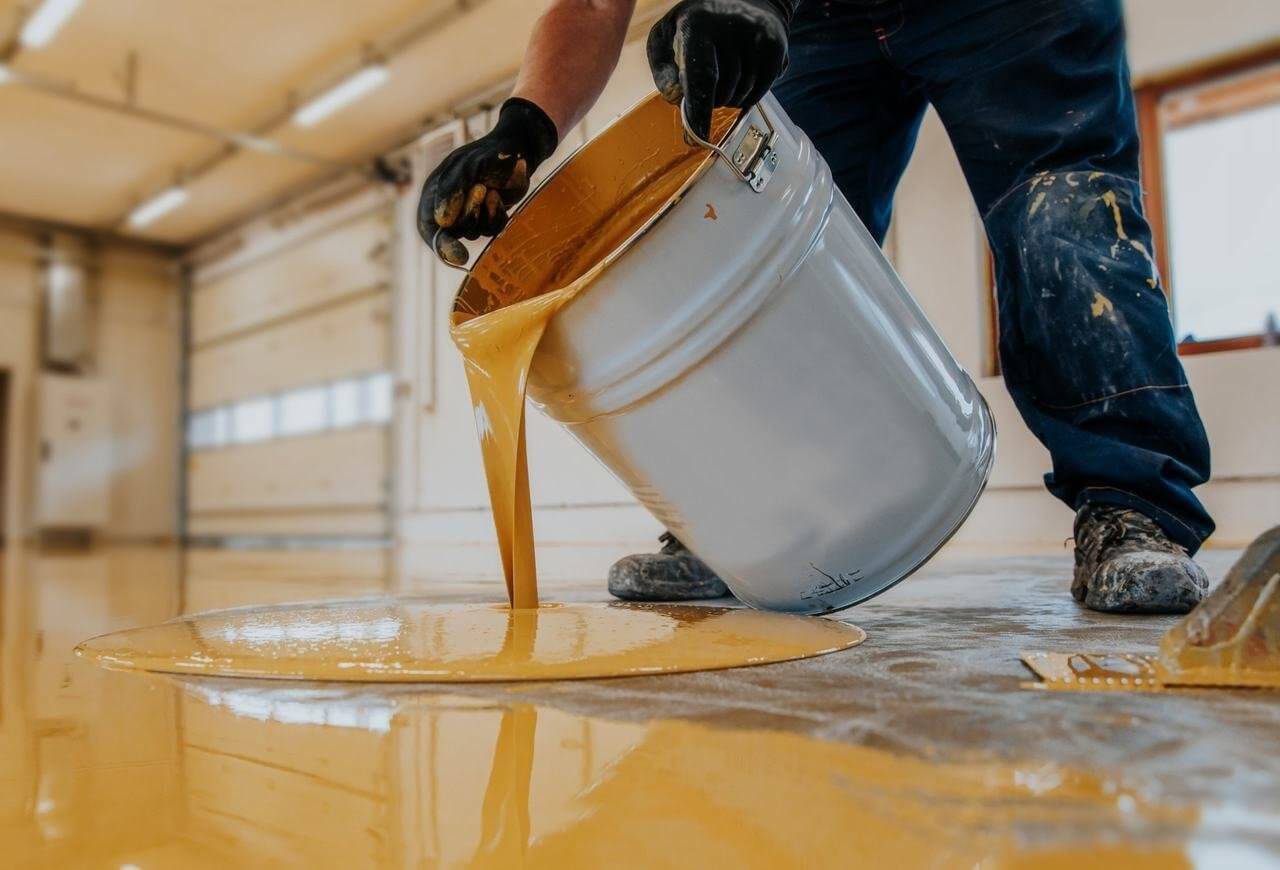
Epoxy Floor Paint
Epoxy coatings are among the most durable and long-lasting options.
Best for: Garages, basements, industrial areas, high-traffic living rooms, and kitchens.
Why choose epoxy?
- Extremely tough: Excellent resistance to wear, chemicals, and impacts.
Moisture resistant: Provides good protection where moisture or occasional spills are a concern. - Finish options: Glossy or matte finishes available.
Considerations:
- Requires proper surface preparation.
- Professional application is often recommended due to multi-layer requirements.
Acrylic Floor Paint
Acrylic paints are water-based and popular for indoor living spaces.
Best for: Living rooms, bedrooms, hallways, and patios (covered areas).
Advantages:
- Low odor and fast drying: Suitable for occupied homes.
- Easy to clean: Good for areas with moderate foot traffic.
- Environmentally friendly and safer for indoor use.
Limitations:
- Less impact-resistant than epoxy.
- Not ideal for heavy vehicle or garage areas.
Polyurethane Floor Paint
Polyurethane coatings offer flexibility and a smooth finish.
Best for: Luxury interiors, wooden floors, or decorative finished floors.
Benefits:
- UV resistance: Prevents yellowing under sun exposure.
- Scratch and abrasion resistant.
- Offers a protective layer on top of other paints.
Downside:
- Can be more expensive.
- Needs good ventilation during application.

Concrete Floor Paint
Formulated specifically for concrete surfaces.
Best for: Balconies, terraces, car parks, and unfinished concrete floors.
Strengths:
- Bonds well with rough, porous surfaces.
- Usually combined with sealers for protection.
Weaknesses:
- Usually needs multiple coats.
- Concrete must be dry and clean — moisture can affect adh

Factors to Consider Before Choosing Floor Paint
Selecting floor paint isn’t just about picking a color. Consider these practical criteria:
1. Purpose & Traffic Level
Think about how the area will be used:
- High-traffic family areas: Durable, scratch-resistant paints like epoxy or polyurethane are best.
- Decorative or low-traffic rooms: Acrylic or specialized interior paints may suffice.
- Outdoor patios or balconies: Weather-resistant and UV-stable formulas are essential.
2. Surface Material
Different floor materials affect paint performance:
| Floor Type | Best Paint Choices |
| Concrete | Epoxy, Concrete floor paint |
| Tiles | Epoxy or acrylic with primer |
| Wood/parquet | Polyurethane or acrylic |
| Terrazzo | Epoxy or acrylic |
| Cement screed | Concrete paint + sealer |
3. Finish & Aesthetics
The finish influences both look and durability:
- Glossy finish: Reflects light and makes spaces appear larger but shows scratches more.
- Satin/matte finish: Hides imperfections better and offers a subtle, elegant look.
- Textured finish: Ideal for outdoor areas or entrances to prevent slipping.
4. Slip Resistance & Safety
Floor paint shouldn’t just look good — it must be safe:
- For wet areas (bathrooms, kitchens), consider paints with anti-slip additives.
- Textured or anti-skid coatings are recommended for balconies and pool decks.
This is especially important in homes with children or elderly residents.
Preparing the Floor Before Painting
A perfect paint can still fail without proper surface preparation.
Steps for best adhesion:
A. Clean thoroughly
Remove:
- Dust and sand
- Grease or oil stains
- Old paint flakes
A power wash followed by a degreaser may be necessary for tough stains.
B. Repair surface imperfections
- Patch cracks
- Fill holes
- Smooth rough areas
Uneven surfaces lead to poor paint adhesion and premature wear.
C. Etch or sand if necessary
For glossy tiles or smooth concrete, professional etching or sanding creates a surface the paint can bind to.
D. Dry completely
Dubai’s humidity means moisture can linger — ensure the surface is fully dry before painting.
Applying Primer — The Unsung Hero
Many homeowners overlook primer, but it dramatically improves paint performance.
Benefits of primer:
- Enhances paint adhesion
- Seals porous surfaces
- Blocks stains from bleeding through
- Improves final finish
Choose primers made for the specific paint type (epoxy primer for epoxy paint, acrylic primer for acrylic paint).
Choosing Colours That Complement Your Space
Dubai interiors often reflect bold modern aesthetics blended with Middle Eastern elegance.
Colour considerations:
- Light tones (creams, pastels) make small rooms look bigger and brighter.
- Neutrals (grays, taupe) are timeless and hide minor dust and marks.
- Bold colours (deep blues, terracottas) add personality but choose finishes that don’t show scratches easily.
- For outdoor areas, earthy tones or terracotta shades mask dust and heat effects well.
Balance the paint colour with furniture, walls, and lighting to create visual harmony.
Eco-Friendly & Low-VOC Paint Options
Indoor air quality is essential for healthy living.
What to look for:
- Low VOC (Volatile Organic Compound) paints
- Water-based formulas
- Certifications like Green Seal or equivalent
These options are especially valuable for homes with young children, pets, or allergy sufferers.
Hiring Professionals vs. DIY Application
Professionals
- Offer surface assessment
- Ensure proper layering and drying times
- Provide warranty backing
- Best choice for epoxy and complex finishes
DIY
- Suitable for simple acrylic paints and well-prepared small areas
- Saves cost
- Requires careful surface prep and ventilation
Tip: If you’re unsure, consult with a local painting contractor for a site assessment and recommendation.
Maintenance Tips to Keep Your Floor Paint Looking New
Once your floor is painted beautifully, care ensures longevity:
Daily Care
- Sweep or vacuum to remove dust/sand
- Wipe spills immediately
Weekly Cleaning
- Use mild detergent with water (avoid harsh chemicals)
- Soft mop — abrasive cleaners can wear the finish
Periodic Maintenance
- Touch up scuffs, especially in high-traffic corridors
- Recoat every few years depending on wear patterns
For epoxy floors, a mild, pH-neutral cleaner works best.
Common Mistakes to Avoid
Avoid these pitfalls to get the best results:
- Skipping primer
- Painting over moisture-laden surfaces
- Choosing shiny finishes for high-traffic zones
- Not accounting for direct sunlight or shaded areas
- Using interior paints outdoors without UV resistance
Final Thoughts
Choosing the perfect floor paint for your Dubai home isn’t just a cosmetic decision — it’s a strategic choice that blends style, durability, climate resilience, safety, and maintenance ease. Whether you want the elegant sheen of an epoxy finish, the simplicity of acrylic paint in your lounge, or a textured, slip-resistant surface for your balcony, your choice should be informed by the room’s purpose, surface type, traffic level, and environmental exposure.