
Epoxy floor coating has become one of the most popular flooring solutions in Dubai for residential, commercial, and industrial spaces. Its seamless finish, durability, resistance to heavy use, and aesthetic versatility make it ideal for everything from homes and showrooms to factories and warehouses. However, before planning your project, understanding what affects epoxy flooring cost in Dubai and how to optimize your investment is essential. This guide breaks down prices, explains the key cost drivers, and offers cost-saving strategies.
What Is Epoxy Floor Coating and Why Is It Popular in Dubai?
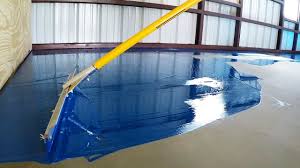
Epoxy floor coating is a resin‑based finish applied over concrete surfaces to enhance strength, appearance, and longevity. Once cured, it becomes a hard, seamless surface that resists stains, chemicals, impact, and abrasion. This makes it ideal in a city like Dubai where both aesthetics and performance matter.
Unlike traditional flooring like tiles or carpets, epoxy offers a high‑performance coating with minimal joints and easy maintenance, which is especially valuable in high‑traffic commercial and industrial environments.
Typical Epoxy Floor Coating Price Ranges in Dubai
Epoxy flooring is usually priced per square meter and varies widely based on type, surface preparation, design, and quality of materials.
Here’s a general cost breakdown you can expect in Dubai:
- Basic epoxy coating: AED 45–AED 65 per sqm — suitable for garages, storerooms, and light‑traffic areas.
- Self‑Leveling Epoxy: AED 70–AED 110 per sqm — great for commercial spaces where a smooth, flush finish is required.
- Decorative epoxy (quartz/flake): AED 90–AED 140 per sqm—decorative finish for retail spaces, showrooms, and offices.
- Anti-static/ESD epoxy: AED 120–AED 160 per sqm—for areas like data centers or electronics facilities requiring electrostatic discharge control.
- Industrial or heavy‑duty epoxy: AED 110–AED 180 per sqm — designed for workshops, factories, and heavy machinery floors.
These estimates typically cover the materials and standard professional installation. However, extensive surface preparation, custom design work, or additional protective topcoats can increase the final cost.
For smaller residential projects or basic coatings, some local providers list starting prices as low as AED 25–AED 35 per sqm, though these tend to reflect minimal prep and basic finishes rather than complete professional systems.
Key Factors That Influence Epoxy Flooring Cost
Understanding the elements that affect the price helps you budget wisely and avoid unexpected costs. Major influencers include:
1. Floor Condition & Surface Preparation
Epoxy must bond with a stable, clean surface. Older or uneven concrete might need grinding, crack repair, moisture mitigation, and shot blasting, which adds to cost. In many projects, surface prep is one of the biggest cost drivers, sometimes more than the epoxy itself.
2. Epoxy System & Material Quality
There are different epoxy resins — from basic solvent‑based systems to high‑performance 100 % solids epoxy. Premium resins offer better durability and chemical resistance, but they cost more.
3. Design and Finish Type
A plain solid color is cheaper than decorative finishes like quartz broadcast, flake chips, metallic effects, or 3D designs. These custom visual elements require more labor and materials, increasing the price.
4. Project Size and Accessibility
Larger areas usually reduce the cost per square meter because labor and setup are spread over more material. However, small or hard‑to‑access spaces can demand higher rates.
5. Additional Features and Topcoats
Anti‑slip additives, moisture barriers, UV‑resistant topcoats, or antimicrobial layers enhance performance but add to the total cost.
6. Labour Quality & Contractor Expertise
Experienced epoxy installers with strong reputations often charge more but deliver higher‑quality, longer‑lasting results. Cheap labor may cut corners, leading to peeling, bubbles, or early wear.
Typical Installation Timeline and Process
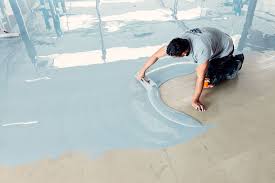
Installing epoxy is not as simple as pouring paint. The general steps include:
- Pre‑installation assessment & moisture testing
- Surface preparation — grinding or blasting to remove contaminants
- Crack patching and levelling
- Primer application
- Epoxy base and decorative layers
- Topcoat and cure time
A standard residential or small commercial project may take 2–7 days depending on size, surface condition, and weather conditions (humidity can slow curing).
After application, epoxy may be walkable within 24–48 hours but typically requires several days for full heavy use curing.
Maintenance and Long‑Term Value
One reason epoxy flooring is preferred in Dubai is its low maintenance. Regular sweeping and occasional mopping with a mild cleaner are enough to keep it clean. Harsh chemicals or abrasive tools should be avoided to maintain shine.
With proper care, epoxy floors can last 10–25 years, far longer than many alternatives. Even if the surface eventually needs a refresh, adding a new topcoat is generally cheaper than replacing flooring entirely.
Money‑Saving Tips When Installing Epoxy Floors
While quality matters, there are smart ways to lower your total project cost without compromising performance:
Compare Multiple Quotes
Get detailed written quotes from at least three reputable contractors. Don’t just compare numbers — check what materials and prep work are included.
Plan for Surface Prep Early
Address floor issues before installation. Upfront repairs are cheaper than mid‑project fixes.
Schedule During Off‑Peak Periods
Some contractors may offer discounts during slow seasons or when they have open schedules.
Choose Practical Designs
While metallic or custom finishes are stunning, they cost more. Prioritise performance over flashy design unless aesthetics are critical.
Avoid DIY for Large Floors
DIY epoxy kits are tempting but often lack adhesion and durability compared to professionally installed systems — leading to costly repairs later.
Ask About Warranties
Installers offering solid warranties on materials and application may cost a bit more upfront but save money on future repairs.
Final Thoughts
Epoxy floor coating in Dubai represents a long‑lasting, low‑maintenance flooring solution that pays off over time, especially in commercial and industrial contexts. While prices can vary significantly — from basic coatings to high‑end decorative or industrial systems — understanding the factors that influence them helps you make smarter decisions.
Choosing quality materials and experienced installers ensures better performance and durability, and applying the cost‑saving strategies above will help you keep your investment efficient and worthwhile.